2026 ACA Subsidies: $80 Monthly Premium Savings Explained

New 2026 ACA Marketplace subsidies are set to significantly reduce health insurance costs, with policy updates expected to lower premiums by an average of $80 per month for eligible Americans, enhancing healthcare accessibility.
Understanding the impact of the New 2026 ACA Marketplace Subsidies: How Policy Updates are Lowering Premiums by an Average of $80 per Month is crucial for millions of Americans navigating their healthcare options. These significant policy changes are poised to make health insurance more affordable and accessible, directly affecting household budgets and overall well-being.
Understanding the 2026 ACA Marketplace Subsidies
The Affordable Care Act (ACA) Marketplace has long been a critical avenue for individuals and families to secure health insurance. The upcoming 2026 subsidies represent a substantial evolution in this framework, designed to further alleviate the financial burden of healthcare premiums. These updates are not merely minor adjustments; they signal a concerted effort to ensure that quality health coverage remains within reach for a broader segment of the population.
These subsidies, officially known as Advance Premium Tax Credits (APTCs), help eligible individuals and families pay for health insurance coverage purchased through the ACA Marketplace. The 2026 enhancements aim to build upon previous temporary expansions, solidifying a more permanent structure for premium assistance. This means a more predictable and potentially lower out-of-pocket cost for many enrollees, making health insurance more attainable than ever.
Key Policy Changes Driving Affordability
Several key policy changes are at the heart of the anticipated premium reductions. These changes focus on increasing the generosity of the subsidies and expanding eligibility to more income brackets, reflecting a commitment to broad-based healthcare access.
- Expanded Income Eligibility: More households, including those with incomes above 400% of the federal poverty level, may now qualify for assistance.
- Increased Subsidy Amounts: The percentage of income individuals are expected to pay for benchmark plans is decreasing, leading to higher tax credit amounts.
- “Family Glitch” Fixes: Addressing issues where family members were previously ineligible for subsidies due to an offer of employer-sponsored coverage deemed affordable only for the employee.
These policy adjustments are critical in translating legislative intent into tangible savings for consumers. By broadening eligibility and enhancing the financial support available, the government aims to reduce the number of uninsured individuals and improve health outcomes across the nation.
The Average $80 Monthly Premium Reduction: What it Means
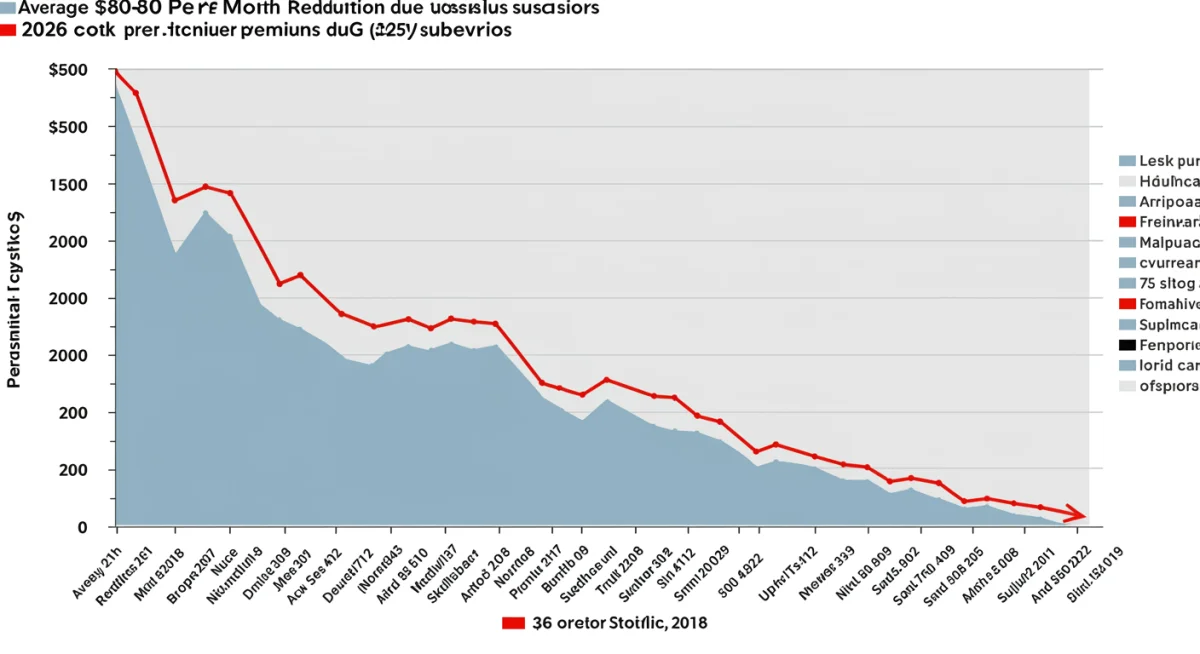
The projection of an average $80 per month reduction in health insurance premiums is a significant figure, translating to nearly $1,000 in annual savings for many households. This is not a universal reduction for everyone, but an average across the diverse population utilizing the ACA Marketplace. For some, the savings could be even greater, while others might see a smaller, but still meaningful, decrease.
This average reduction can have a profound impact on household budgets, freeing up funds for other essential needs or savings. It also makes the prospect of obtaining comprehensive health insurance less daunting, encouraging more people to enroll and maintain coverage. The economic relief provided by these subsidies extends beyond just the premium; it can lead to greater financial stability and reduced medical debt.
Who Benefits Most from These Updates?
While the goal is broad affordability, certain demographics and income groups are expected to benefit most directly from the 2026 ACA subsidy updates. Understanding these target beneficiaries helps clarify the policy’s intent and expected outcomes.
- Low to Middle-Income Families: Households earning between 100% and 400% of the federal poverty level will likely see the most substantial proportional savings.
- Older Adults (Pre-Medicare): Individuals aged 55-64 who don’t yet qualify for Medicare often face high premiums, and these subsidies can provide significant relief.
- Self-Employed Individuals: Those who purchase their insurance through the Marketplace independently will find their options more affordable.
The policy updates are particularly geared towards individuals and families who have previously struggled to afford quality health insurance, even with prior subsidy programs. The expanded eligibility and increased financial assistance aim to close coverage gaps and ensure that healthcare is a right, not a privilege, determined by income.
Eligibility Requirements for Enhanced Subsidies
Navigating eligibility for the enhanced 2026 ACA subsidies is crucial for those seeking to benefit from the average $80 monthly premium reduction. While the general framework remains consistent with previous years, the income thresholds and specific criteria have been adjusted to be more inclusive. Understanding these requirements will help individuals and families determine their potential savings.
Primarily, eligibility is tied to household income relative to the federal poverty level (FPL) and whether affordable employer-sponsored coverage is available. The significant change for 2026 is the removal of the “subsidy cliff,” which previously cut off assistance for those earning just over 400% FPL. Now, premium contributions are capped at 8.5% of household income for benchmark plans, regardless of income, ensuring that no one pays an excessive amount.
Income and Household Size Considerations
Your Modified Adjusted Gross Income (MAGI) and household size are the primary factors in determining your eligibility and the amount of your subsidy. The Marketplace uses these figures to calculate your premium tax credit, which can be applied directly to your monthly premiums.
- Income Levels: Subsidies are available across a wider range of income levels, with the most generous assistance for those closer to the FPL.
- Household Composition: The number of individuals in your tax household impacts your FPL calculation and, consequently, your subsidy amount.
- No Affordable Employer Coverage: You typically cannot receive Marketplace subsidies if you have access to affordable health insurance through your employer, unless the employer plan is deemed unaffordable or doesn’t meet minimum value standards.
It is important to accurately report your estimated income for the upcoming year when applying through the Marketplace. Any significant changes in income or household size during the year should be updated to ensure you receive the correct amount of assistance and avoid potential tax liabilities.
Impact on Healthcare Access and Enrollment Numbers
The introduction of the 2026 ACA Marketplace subsidies is expected to have a profound positive impact on healthcare access and enrollment figures across the United States. By making premiums more affordable, these policy updates remove a significant barrier for many individuals and families who have previously been uninsured or underinsured. The financial relief can translate directly into more people gaining comprehensive coverage.
Increased affordability often leads to higher enrollment, as the cost-benefit analysis shifts favorably for potential enrollees. This could result in a substantial increase in the number of Americans with health insurance, contributing to a healthier population overall. When more people have insurance, they are more likely to seek preventive care, manage chronic conditions, and address health concerns early, leading to better public health outcomes and reduced reliance on emergency room visits for primary care.
Broader Economic Implications for Healthcare
Beyond individual enrollment, the enhanced subsidies carry broader economic implications for the entire healthcare system. A healthier population is a more productive workforce, and reduced medical debt can stimulate local economies. The stability offered by widespread insurance coverage can also reduce the financial strain on hospitals and healthcare providers.
- Reduced Uncompensated Care: Hospitals will likely see a decrease in the amount of uncompensated care they provide, as more patients will have coverage.
- Increased Preventive Care: Greater access to insurance encourages preventive services, potentially lowering long-term healthcare costs.
- Stimulated Healthcare Economy: A larger insured population can lead to increased demand for healthcare services, supporting jobs in the sector.
These economic benefits underscore the far-reaching positive effects of making health insurance more affordable. The ripple effect extends from individual households to the broader healthcare industry and the national economy.
Comparing 2026 Subsidies to Previous Years
To fully appreciate the significance of the 2026 ACA Marketplace subsidies, it is helpful to compare them with previous iterations of financial assistance. The ACA has undergone several adjustments since its inception, with the most recent temporary expansions during the COVID-19 pandemic providing a preview of what permanent enhancements could achieve. The 2026 updates aim to solidify and expand upon these temporary measures, making them a lasting feature of the healthcare landscape.
Prior to the pandemic-era enhancements, individuals with incomes above 400% of the FPL were generally ineligible for subsidies, creating an abrupt “subsidy cliff.” This often meant that individuals just above this income threshold faced prohibitively expensive premiums. The 2026 changes effectively eliminate this cliff, extending financial assistance to a wider range of middle-income earners and ensuring that premium contributions remain manageable.
Evolution of Premium Tax Credits
The evolution of premium tax credits reflects a continuous effort to refine and improve the ACA’s ability to deliver affordable healthcare. Each legislative adjustment has aimed to address specific challenges and expand access.
- Initial ACA Structure: Subsidies were available up to 400% FPL, with a fixed percentage of income contribution.
- Temporary Pandemic Expansions: Increased subsidy amounts and eliminated the 400% FPL cap for a limited period, demonstrating the positive impact of broader assistance.
- 2026 Permanent Updates: Codify the elimination of the “subsidy cliff” and cap premium contributions at 8.5% of household income for benchmark plans, making these benefits a permanent fixture.
This progressive enhancement of the subsidy program illustrates a learning curve and a commitment to making healthcare a more accessible reality for all Americans. The 2026 updates are a culmination of these efforts, building on lessons learned from previous years to create a more equitable and affordable system.
Navigating the Marketplace: Tips for Enrollment
With the promising prospect of the 2026 ACA Marketplace subsidies lowering premiums by an average of $80 per month, understanding how to navigate the Marketplace and enroll effectively is more important than ever. The enrollment process can seem daunting, but with the right information and approach, securing affordable health insurance can be a straightforward experience. Open enrollment periods are key, but special enrollment periods also exist for qualifying life events.
Before you begin, gather all necessary documentation, including income information, household size details, and any current insurance policy information. This preparation will streamline the application process and ensure accuracy in your subsidy calculation. The HealthCare.gov website is the official portal for most states, offering tools and resources to guide you through each step.
Maximizing Your Savings and Coverage
To ensure you maximize your savings and choose the best coverage for your needs, consider these practical tips during the enrollment process. It’s not just about the lowest premium; it’s about finding a plan that offers the right balance of cost, benefits, and network access.
- Compare Plans Carefully: Don’t just look at premiums. Consider deductibles, copayments, out-of-pocket maximums, and prescription drug coverage.
- Utilize the Plan Finder Tool: HealthCare.gov offers tools to compare plans side-by-side, allowing you to filter by doctor, hospital, and prescription drug coverage.
- Seek Assistance: Certified navigators and assisters are available for free to help you understand your options and complete the application.
Remember that the plan that works best for one person may not be ideal for another. Take the time to assess your healthcare needs, financial situation, and preferences to make an informed decision. The enhanced subsidies make this process even more rewarding, offering significant financial relief for quality coverage.
| Key Point | Brief Description |
|---|---|
| Average Savings | Premiums expected to decrease by an average of $80 per month. |
| Expanded Eligibility | More individuals and families, including those above 400% FPL, now qualify. |
| No “Subsidy Cliff” | Premium contributions capped at 8.5% of income, regardless of earnings. |
| Increased Access | Expected to significantly boost health insurance enrollment and public health. |
Frequently Asked Questions About 2026 ACA Subsidies
The 2026 ACA Marketplace subsidies are enhanced financial assistance programs designed to help eligible individuals and families afford health insurance premiums. These updates expand eligibility and increase the amount of aid, aiming to lower healthcare costs for millions of Americans.
Policy updates are projected to lower health insurance premiums by an average of $80 per month for individuals and families who qualify for the enhanced subsidies. This translates to substantial annual savings for many households across the country.
Eligibility for the 2026 subsidies is primarily based on household income relative to the federal poverty level. The new policies expand eligibility to more income brackets, including those previously above 400% FPL, and address issues like the “family glitch.”
If you currently have ACA coverage with subsidies, you will need to update your application during the open enrollment period to ensure your eligibility for the new 2026 subsidy amounts. This confirms you receive the maximum financial assistance available.
For official information, eligibility checks, and enrollment, visit HealthCare.gov. You can also find free assistance from certified navigators and assisters who can help you understand your options and complete the application process effectively.
Conclusion
The New 2026 ACA Marketplace Subsidies: How Policy Updates are Lowering Premiums by an Average of $80 per Month represents a pivotal moment in American healthcare policy. These enhancements are designed to make health insurance not just available, but truly affordable for a broader spectrum of the population. By reducing the financial strain of premiums and expanding eligibility, the updates promise to improve health outcomes, reduce medical debt, and foster greater economic stability for millions of households. Understanding these changes and actively utilizing the resources available through the Marketplace will empower individuals and families to secure the comprehensive and affordable healthcare they deserve, contributing to a healthier and more secure future for all.