2026 Medicare Part D Redesign: Policy Changes & Beneficiary Costs

The 2026 Medicare Part D redesign introduces significant policy changes, including a $2,000 out-of-pocket cap, manufacturer discounts, and changes to the catastrophic phase, projected to reduce beneficiary costs by an average of 15% through enhanced financial protection and altered cost-sharing structures.
Navigating the 2026 Medicare Part D Redesign: 3 Key Policy Changes Affecting Beneficiary Costs by an Average of 15% is a crucial topic for millions of Americans who rely on this prescription drug coverage. Understanding these upcoming shifts is essential for managing your healthcare budget and ensuring continued access to necessary medications.
Understanding the Medicare Part D Landscape Before 2026
Before diving into the specifics of the 2026 redesign, it’s helpful to understand the foundational structure of Medicare Part D. This federal program helps millions of Americans cover the costs of prescription drugs, which can otherwise be prohibitively expensive. It’s not a one-size-fits-all program; rather, it involves private insurance companies approved by Medicare to offer prescription drug plans. These plans vary in terms of premiums, deductibles, formularies (lists of covered drugs), and cost-sharing arrangements.
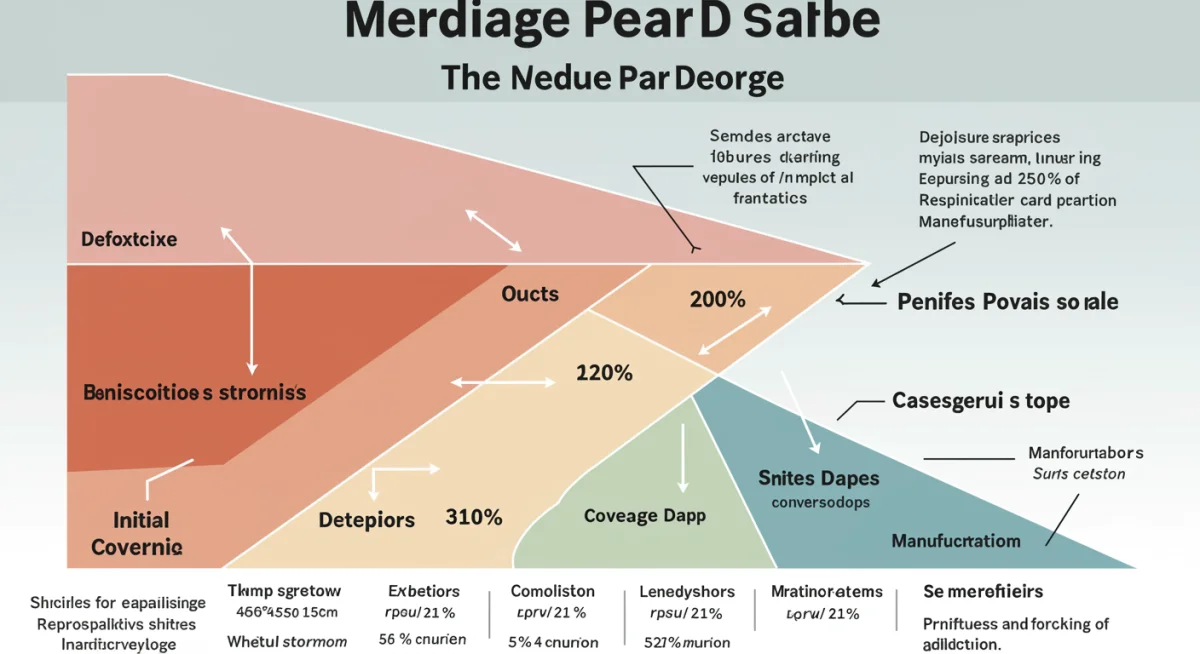
Historically, Medicare Part D has been structured into several phases: the deductible, initial coverage, the coverage gap (often called the “donut hole”), and catastrophic coverage. Each phase has its own rules for how much beneficiaries pay and how much the plan covers. This multi-phase structure has often led to confusion and, for some, unexpected out-of-pocket costs, particularly when they enter the coverage gap or reach the catastrophic phase.
The original coverage gap and its impact
The coverage gap was a particularly challenging aspect for many beneficiaries, where they were responsible for a higher percentage of their drug costs after reaching a certain spending threshold, but before reaching catastrophic coverage. While the Affordable Care Act (ACA) and subsequent legislation began closing this gap, it still represented a significant financial hurdle for those with high prescription drug needs. The design aimed to balance beneficiary costs with program sustainability, but often left individuals vulnerable to substantial expenses.
- Deductible Phase: Beneficiaries pay 100% of drug costs until the deductible is met.
- Initial Coverage Phase: Beneficiaries pay a co-pay or coinsurance, and the plan pays the rest, up to a certain limit.
- Coverage Gap (Donut Hole): Beneficiaries pay a higher percentage of drug costs (e.g., 25% for brand-name and generic drugs), with discounts from manufacturers and plans.
- Catastrophic Coverage: Historically, beneficiaries paid a small coinsurance or co-payment after reaching a high out-of-pocket threshold.
This complex structure meant that predicting annual drug costs was often difficult, and beneficiaries could face significant financial strain if their health required expensive medications. The forthcoming changes in 2026 aim to simplify this and provide greater financial predictability and protection.
Key Policy Change 1: The New $2,000 Out-of-Pocket Cap
One of the most transformative elements of the 2026 Medicare Part D redesign is the introduction of a hard cap on annual out-of-pocket spending for beneficiaries. Starting in 2026, no Medicare Part D enrollee will pay more than $2,000 out of their own pocket for covered prescription drugs in a single year. This policy change is a direct response to years of advocacy for greater financial protection for seniors and individuals with disabilities who often face exorbitant drug costs.
For many, this cap represents a radical shift from the previous system, where there was no upper limit on out-of-pocket spending once the catastrophic phase was reached. While beneficiaries in the catastrophic phase paid a small percentage of costs, those percentages could still add up to thousands of dollars for individuals on very expensive medications. The $2,000 cap provides unprecedented peace of mind and financial security.
How the $2,000 cap works
Once a beneficiary’s out-of-pocket costs, including deductibles, co-payments, and coinsurance, reach $2,000 within a calendar year, they will not be required to pay anything further for covered Part D drugs for the remainder of that year. This means that for individuals with chronic conditions requiring high-cost specialty drugs, the financial burden will be significantly reduced and predictable.
- Predictability: Beneficiaries can budget more effectively, knowing their maximum annual drug expense.
- Protection: Shields individuals from catastrophic drug costs, preventing medical debt.
- Equity: Particularly benefits those with high prescription needs, who disproportionately bore the brunt of unlimited costs.
This cap is expected to have a profound impact, especially for the approximately 1.5 million beneficiaries who currently spend more than $2,000 annually on their medications. It will alleviate financial stress and allow these individuals to focus on their health rather than worrying about the escalating costs of necessary treatments. This is a monumental step towards making prescription drugs more affordable and accessible for Medicare enrollees.
Key Policy Change 2: Enhanced Manufacturer Discounts and Plan Liability
The 2026 Medicare Part D redesign also introduces significant adjustments to how drug costs are shared among manufacturers, Part D plans, and the federal government. These changes aim to rebalance responsibilities and leverage greater discounts from pharmaceutical companies, ultimately benefiting beneficiaries by reducing their out-of-pocket expenses. This aspect of the redesign is complex but crucial for understanding the overall financial impact.
Under the new structure, drug manufacturers will be required to provide larger discounts on brand-name drugs across different phases of coverage. This is an expansion of existing manufacturer discount programs and is designed to ensure that a portion of the cost reduction is passed directly to beneficiaries. Simultaneously, the Part D plans themselves will take on a greater share of financial liability, particularly in the catastrophic phase, which we will discuss in more detail in the next section.
Shifting financial accountability
The new framework moves away from a system where the federal government covered a substantial portion of costs in the catastrophic phase, placing more financial accountability on manufacturers and plans. This shift is intended to incentivize manufacturers to price drugs more responsibly and encourage plans to negotiate more aggressively for lower drug prices. The goal is a more sustainable and equitable system where all stakeholders contribute fairly to the cost of medications.
- Manufacturer Discounts: Increased discounts on brand-name drugs, especially in the catastrophic phase.
- Plan Responsibility: Part D plans assume a larger share of the costs, particularly after the out-of-pocket cap is met.
- Federal Role: Government share of costs in the catastrophic phase will be reduced.
These changes are not merely administrative; they are designed to create a ripple effect that leads to lower overall drug costs. By making manufacturers and plans more financially invested in the cost of drugs, there’s a stronger incentive to prevent prices from escalating unnecessarily. This ultimately translates into lower premiums and reduced out-of-pocket costs for beneficiaries, contributing to the projected 15% average cost reduction.
Key Policy Change 3: Redefined Catastrophic Coverage Phase
The third pivotal policy change within the 2026 Medicare Part D redesign involves a significant overhaul of the catastrophic coverage phase. This phase, historically triggered after a beneficiary’s out-of-pocket spending and plan payments reached a certain threshold, previously required beneficiaries to pay a small coinsurance or co-payment. The new design eliminates beneficiary cost-sharing entirely once the catastrophic phase is reached, offering unparalleled financial relief.
Under the current system, even after reaching catastrophic coverage, individuals were still responsible for 5% of their drug costs. While 5% might seem small, for those on extremely expensive medications, this could still amount to thousands of dollars annually. The elimination of this 5% coinsurance is directly linked to the $2,000 out-of-pocket cap, as once that cap is met, beneficiaries effectively enter a new, cost-free catastrophic phase.
Impact of eliminating beneficiary coinsurance
The removal of the 5% coinsurance in the catastrophic phase means that once a beneficiary has spent $2,000 out of pocket in a year, their covered prescription drugs become free for the remainder of that year. This is a game-changer for individuals with chronic illnesses or complex medical needs who often rely on high-cost specialty drugs. It provides a definitive end to their financial responsibility for prescription drugs, ensuring that no one faces unlimited drug expenses.
- Zero Cost-Sharing: Beneficiaries pay nothing for covered drugs after reaching the $2,000 cap.
- Enhanced Safety Net: Provides a robust financial safety net for those with the highest drug costs.
- Simplified Structure: Reduces the complexity of cost calculations for beneficiaries in advanced phases of coverage.
This policy change works in tandem with the manufacturer discounts and increased plan liability discussed earlier. The burden of these costs will largely shift to Part D plans and drug manufacturers, who will now be responsible for a greater share of expenses in the catastrophic phase. This rebalancing is intended to encourage more responsible pricing and plan management, aligning incentives to keep overall drug costs down while providing maximum protection to beneficiaries.
Projected Impact: Average 15% Reduction in Beneficiary Costs
The cumulative effect of the three key policy changes – the $2,000 out-of-pocket cap, enhanced manufacturer discounts, and the redefined catastrophic phase – is projected to result in an average reduction of 15% in beneficiary out-of-pocket costs for Medicare Part D. This figure represents a significant financial relief for millions of Americans, translating into tangible savings that can be redirected to other essential living expenses or healthcare needs.
It’s important to note that this 15% is an average, meaning that some beneficiaries, particularly those with high prescription drug costs who previously faced unlimited expenses, will experience much larger savings. Conversely, those who already have very low drug costs might see minimal changes, though they still benefit from the enhanced financial protections and simplified structure. The impact is largely progressive, offering the greatest relief to those who need it most.
Factors contributing to the savings
The savings stem from several interconnected factors. The $2,000 cap directly limits individual spending. The increased manufacturer discounts reduce the base cost of drugs, while the greater financial liability for Part D plans in the catastrophic phase incentivizes them to negotiate better prices and manage their formularies more efficiently. Together, these elements create a more cost-effective ecosystem for prescription drug coverage under Medicare Part D.
- Direct Savings: The $2,000 cap provides immediate relief for high-spending beneficiaries.
- Indirect Savings: Manufacturer discounts and plan liability shifts lead to lower overall drug prices and potentially lower premiums.
- Reduced Financial Stress: Predictable costs allow for better financial planning and reduce anxiety.
This projected 15% reduction is a powerful indicator of the intent behind the redesign: to make prescription drugs more affordable and accessible for all Medicare Part D enrollees. It addresses long-standing concerns about the affordability of medications and aims to prevent beneficiaries from having to choose between their health and other necessities. The redesign represents a significant step forward in strengthening Medicare’s role in supporting the health and financial well-being of older adults and individuals with disabilities.
Preparing for the 2026 Changes: What Beneficiaries Should Do
With the 2026 Medicare Part D redesign on the horizon, it’s crucial for beneficiaries to start preparing now to maximize the benefits and understand how these changes will specifically affect their individual circumstances. While the overall outlook is positive, with an average 15% reduction in costs, personal situations can vary, and proactive planning is key.
The first step is to stay informed. Medicare.gov and the Centers for Medicare & Medicaid Services (CMS) will be primary resources for official updates and detailed guidance. Additionally, your current Part D plan provider should communicate how these changes will impact their specific offerings. Don’t wait until 2026 to start understanding the new landscape; begin gathering information and asking questions now.
Reviewing your current plan and drug list
Even though the changes are still a few years away, it’s a good practice to review your current prescription drug needs and your Part D plan’s formulary. While the core policy changes are federal, the specific plan offerings, premiums, and drug coverage can still vary significantly between providers. Understanding your current drug list and how it aligns with your plan’s coverage will help you evaluate new options when they become available.
- Consult Official Sources: Regularly check Medicare.gov for the latest information and updates.
- Review Your Medications: Keep an up-to-date list of all your prescription drugs and dosages.
- Contact Your Plan: Inquire about how your specific plan intends to implement the 2026 changes.
Consider consulting with a trusted healthcare advisor or a State Health Insurance Assistance Program (SHIP) counselor. These professionals can provide personalized guidance, help you navigate the complexities of Medicare Part D, and assist you in comparing plans once the 2026 options are announced. Proactive engagement will ensure you are well-positioned to take full advantage of the improved financial protections and potentially lower costs that the redesign promises.
The Broader Implications of Part D Redesign for Healthcare Policy
The 2026 Medicare Part D redesign is more than just a set of changes to drug coverage; it represents a significant shift in broader healthcare policy, particularly concerning prescription drug affordability and accountability within the pharmaceutical industry. These reforms reflect a growing national consensus on the need to curb rising drug costs and ensure that essential medications are accessible to all Americans, especially seniors and those with chronic conditions.
By imposing an out-of-pocket cap and shifting greater financial responsibility to manufacturers and Part D plans, the redesign aims to create a more equitable system. It challenges the long-standing model where beneficiaries often bore the brunt of high drug prices, particularly in the catastrophic phase. This move could set a precedent for future healthcare reforms, emphasizing patient protection and shared accountability across the healthcare supply chain.
Potential future policy directions
The success of the 2026 redesign could influence other areas of healthcare policy. If these changes effectively reduce beneficiary costs and improve access without significantly increasing premiums or negatively impacting drug innovation, similar models could be considered for other parts of Medicare or even private insurance markets. It signals a stronger regulatory stance on drug pricing and a commitment to making healthcare more affordable.
- Precedent for Affordability: Could pave the way for similar cost-containment measures in other healthcare sectors.
- Industry Accountability: Reinforces the expectation that manufacturers and plans share responsibility for drug costs.
- Long-Term Sustainability: Aims to create a more financially sustainable Part D program for the future.
Ultimately, the 2026 redesign is a landmark piece of legislation that underscores the evolving landscape of healthcare policy in the United States. It reflects a concerted effort to balance the needs of beneficiaries with the complexities of the pharmaceutical market, striving for a system that is both financially viable and deeply committed to patient well-being. The implications will extend far beyond 2026, shaping discussions and reforms for years to come.
| Key Policy Change | Impact on Beneficiaries |
|---|---|
| $2,000 Out-of-Pocket Cap | Limits annual drug spending to $2,000, providing significant financial protection. |
| Enhanced Manufacturer Discounts | Increased discounts from drug manufacturers, reducing overall drug costs. |
| Redefined Catastrophic Phase | Eliminates beneficiary cost-sharing once the $2,000 cap is reached. |
| Average Cost Reduction | Beneficiaries are projected to see an average 15% drop in out-of-pocket costs. |
Frequently Asked Questions About the 2026 Medicare Part D Redesign
The most significant change is the introduction of a $2,000 annual out-of-pocket cap for covered prescription drugs. Once a beneficiary reaches this limit, they will pay nothing further for their Part D medications for the rest of the year, providing substantial financial relief and predictability.
Beneficiaries with high prescription drug costs will experience the most significant savings. The $2,000 out-of-pocket cap and the elimination of cost-sharing in the catastrophic phase will protect them from unlimited expenses, leading to substantial reductions in their annual drug spending.
While the redesign aims to reduce out-of-pocket drug costs, the impact on premiums can vary by plan and individual. Increased manufacturer discounts and plan liability are intended to help offset costs, but beneficiaries should review their plan options carefully closer to 2026.
Drug manufacturers will be required to provide enhanced discounts on brand-name drugs across different phases of coverage, particularly in the catastrophic phase. This shifts more of the financial burden onto manufacturers, incentivizing more responsible drug pricing and contributing to beneficiary savings.
Start by staying informed through official sources like Medicare.gov. Review your current prescription drug needs and plan formulary. Consider consulting with a healthcare advisor or SHIP counselor to understand how the changes will specifically impact your coverage and to evaluate future plan options.
Conclusion
The 2026 Medicare Part D redesign marks a pivotal moment in prescription drug coverage for millions of Americans. By implementing a $2,000 out-of-pocket cap, enhancing manufacturer discounts, and redefining the catastrophic coverage phase, the federal government aims to significantly reduce beneficiary costs by an average of 15%. These comprehensive changes promise greater financial predictability and protection, particularly for those with high prescription drug needs. As 2026 approaches, proactive engagement and informed decision-making will be crucial for beneficiaries to navigate the new landscape and maximize the benefits of these transformative reforms, ensuring continued access to essential medications without undue financial burden.