The Sleep Revolution: 5 New Strategies for Rest & Recovery by 2026
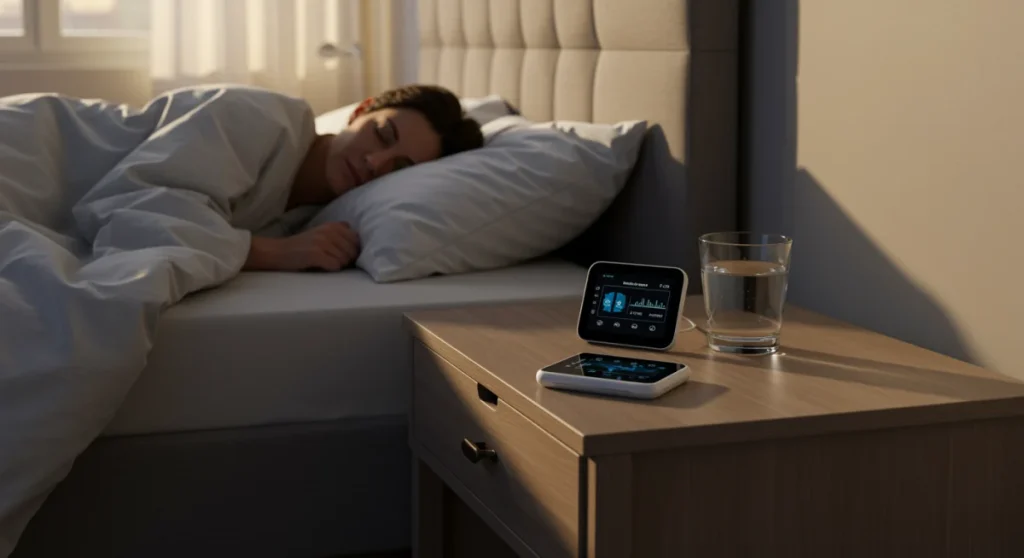
The US is undergoing a significant sleep revolution by mid-2026, integrating five new strategies that enhance rest and recovery through personalized data, environmental optimization, and a holistic approach to well-being.
The quest for optimal rest and recovery has never been more critical, and by mid-2026, the United States is witnessing a profound shift in how we approach sleep. This isn’t just about getting more hours; it’s about a fundamental transformation—a sleep revolution strategies that integrates science, technology, and personalized wellness to elevate our nightly recharge.
Personalized Sleep Prescriptions: Beyond One-Size-Fits-All
The era of generic sleep advice is rapidly fading. By mid-2026, personalized sleep prescriptions are becoming a cornerstone of wellness in the US. This strategy moves beyond broad recommendations, leveraging individual biometric data, lifestyle patterns, and even genetic predispositions to craft highly specific sleep plans. Imagine a world where your sleep routine is as unique as your fingerprint, designed to address your exact needs.
Understanding your unique sleep profile
At the heart of personalized sleep is an in-depth analysis of your sleep architecture. This involves understanding your natural circadian rhythm, identifying sleep disturbances, and assessing how various daily activities impact your rest. Wearable technology and at-home sleep tests are making this data collection more accessible than ever, providing a comprehensive picture of your nightly patterns.
- Biometric data analysis: Heart rate variability, breathing patterns, and movement are monitored to reveal sleep quality.
- Circadian rhythm mapping: Tools help pinpoint your ideal sleep and wake times based on your internal clock.
- Environmental impact assessment: Analyzing how light, temperature, and sound in your bedroom affect your sleep.
This data then informs a tailored approach, recommending everything from specific bedtime rituals to ideal bedroom temperatures, even dietary adjustments. The goal is to create an environment and routine that naturally guides your body into its most restorative sleep cycles. It’s about optimizing every aspect of your sleep experience, ensuring you wake up feeling truly refreshed and recovered.
The Rise of Biofeedback and Neurofeedback for Deeper Rest
Advancements in neuroscience and technology are bringing sophisticated tools into the hands of everyday consumers, making biofeedback and neurofeedback powerful new strategies for sleep optimization. These techniques train your brain and body to achieve deeper states of relaxation and more efficient sleep, moving beyond passive monitoring to active self-regulation.
Training your brain for better sleep
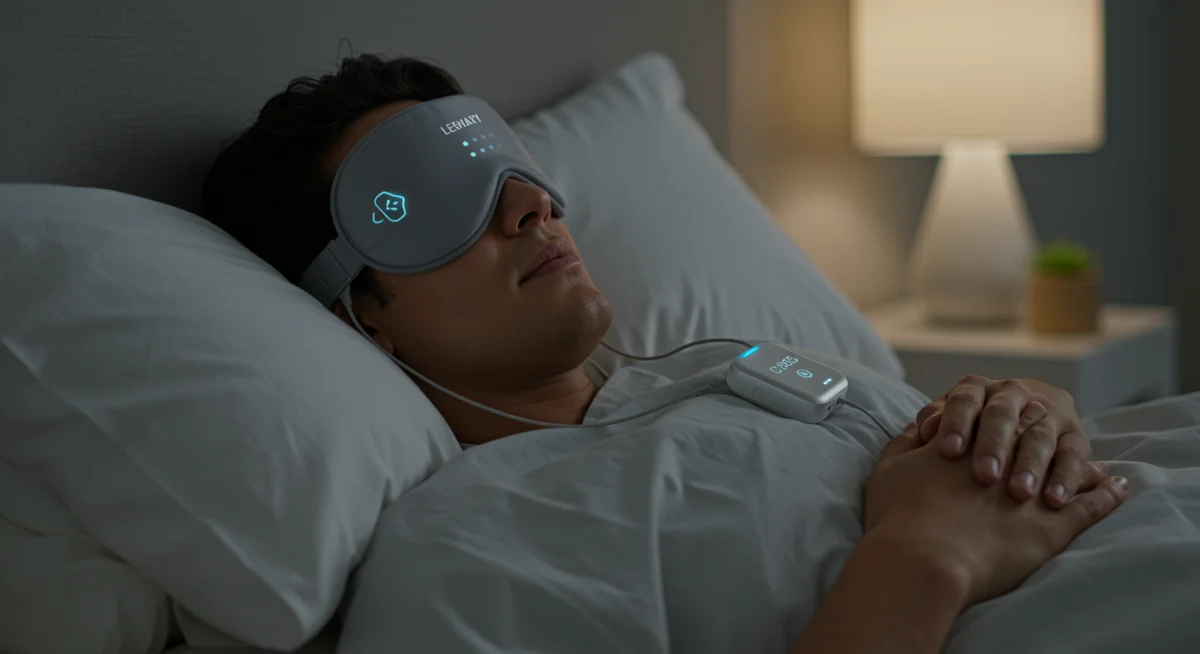
Neurofeedback devices, often worn as headbands or integrated into pillows, monitor brainwave activity and provide real-time feedback. This feedback helps individuals learn to produce brainwave patterns associated with deep, restorative sleep. It’s like a guided meditation for your brain, teaching it to calm down and transition smoothly into sleep stages.
Biofeedback, on the other hand, focuses on physiological responses like heart rate, muscle tension, and skin temperature. Through sensors, users receive visual or auditory cues that help them consciously control these involuntary bodily functions, leading to reduced stress and enhanced relaxation. This voluntary control can significantly improve the ease of falling asleep and the quality of sleep achieved.
- Stress reduction: Learning to lower heart rate and muscle tension before bed.
- Enhanced relaxation: Guiding brainwaves to alpha and theta states for pre-sleep tranquility.
- Improved sleep onset: Shortening the time it takes to fall asleep naturally.
These methods are particularly beneficial for those struggling with sleep onset insomnia or frequent nighttime awakenings, offering a drug-free alternative to improve sleep hygiene. The ability to actively participate in your own sleep improvement is a game-changer, fostering a sense of empowerment and control over your rest.
Smart Sleep Environments: Orchestrating the Perfect Bedroom
The concept of a ‘smart home’ is extending directly into the bedroom, creating intelligent sleep environments that automatically adjust to optimize rest. This strategy involves integrating various smart devices that work in concert to create ideal conditions for falling asleep, staying asleep, and waking up refreshed. It’s about turning your bedroom into a personalized sleep sanctuary.
Automating your path to slumber
Imagine a bedroom that gradually dims the lights as your bedtime approaches, adjusts the thermostat to your optimal sleep temperature, and even plays soothing sounds tailored to your preferences. Smart mattresses can monitor your sleep posture and subtly adjust firmness, while smart blinds can synchronize with your alarm to gently let in natural light, mimicking a natural sunrise.
These interconnected devices use AI and machine learning to learn your preferences and adapt over time, creating a seamless and effortless sleep experience. The goal is to remove environmental disruptions and actively promote a restful state, allowing your body to focus solely on recovery.
- Dynamic lighting: Circadian-friendly lighting systems that adjust color temperature and brightness.
- Temperature control: Smart thermostats and bed cooling/heating systems for optimal comfort.
- Ambient soundscapes: Personalized sound machines that adapt to external noise or provide white noise.
- Air quality monitoring: Sensors that track humidity and air purity, integrating with purifiers.
By orchestrating these elements, smart sleep environments minimize external stressors and maximize the body’s natural ability to achieve deep sleep. This proactive approach to environmental control is proving to be a highly effective strategy for chronic sleep issues and general wellness alike.
Nutritional Chronobiology and Sleep-Enhancing Diets
The intricate relationship between what we eat and when we eat it, and its impact on our sleep, is gaining significant scientific attention. Nutritional chronobiology is emerging as a powerful strategy, focusing on optimizing food intake to support healthy circadian rhythms and promote restorative sleep. This goes beyond avoiding caffeine before bed; it’s about a holistic dietary approach.
Eating for your internal clock
Our bodies have an internal clock that dictates various physiological processes, including digestion and sleep-wake cycles. Consuming certain nutrients at specific times can either enhance or disrupt this delicate balance. For instance, studies are showing the benefits of timing carbohydrate and protein intake to support melatonin production and stabilize blood sugar levels throughout the night.
Furthermore, the focus is on incorporating sleep-enhancing foods rich in magnesium, tryptophan, and complex carbohydrates. Personalized dietary plans are being developed, considering an individual’s unique metabolism, activity levels, and sleep challenges. This approach acknowledges that food is not just fuel, but a powerful modulator of our internal rhythms and, consequently, our sleep quality.
- Timed nutrient intake: Aligning meals and snacks with circadian rhythms to support sleep hormones.
- Micronutrient optimization: Ensuring adequate intake of magnesium, zinc, and B vitamins crucial for sleep.
- Gut-brain axis focus: Emphasizing probiotics and fiber for a healthy gut microbiome, impacting serotonin and melatonin.
Understanding and applying the principles of nutritional chronobiology allows individuals to fine-tune their diet for better sleep, transforming their plate into a powerful tool for rest and recovery. This strategy offers a natural and sustainable way to improve sleep health from within.
Integrative Mental Wellness and Sleep Hygiene
Recognizing the profound connection between mental health and sleep, integrative mental wellness strategies are becoming central to the sleep revolution. This approach moves beyond simply managing stress to actively cultivating mental resilience and emotional balance as a prerequisite for quality sleep. It emphasizes that a calm mind is essential for a restful night.
Mindfulness, therapy, and sleep
Cognitive Behavioral Therapy for Insomnia (CBT-I) continues to be a gold standard, but it’s being integrated with wider mental wellness practices. Mindfulness meditation, breathwork exercises, and even digital therapeutics designed to reduce anxiety and depression are becoming commonplace tools. These practices help individuals to quiet an overactive mind, a primary barrier to sleep for many.
The focus is on addressing the root psychological causes of sleep disturbances, rather than just treating the symptoms. Access to tele-health platforms and AI-powered mental wellness apps is making these resources more accessible, allowing individuals to build a robust mental toolkit that supports consistent, restorative sleep.
- Stress reduction techniques: Daily meditation and breathwork to calm the nervous system.
- Digital mental health platforms: Apps offering guided therapy and mood tracking to support emotional balance.
- Therapeutic interventions: Integrating CBT-I with other forms of therapy for comprehensive mental well-being.
By fostering a healthier mental landscape, individuals are better equipped to navigate daily stressors, leading to improved sleep onset and continuity. This holistic approach recognizes that true rest is not just a physical state but a profound mental and emotional one, ensuring comprehensive recovery.
Community-Based Sleep Initiatives and Education
Beyond individual efforts, the sleep revolution in the US by mid-2026 is also characterized by a growing emphasis on community-based initiatives and widespread education. Recognizing that sleep health is a public health issue, organizations and local communities are implementing programs designed to raise awareness, provide resources, and foster a collective understanding of optimal rest.
Collective well-being through better sleep
Workplaces are introducing ‘sleep wellness’ programs, offering workshops on sleep hygiene, providing access to sleep coaches, and even optimizing work schedules to align better with employees’ chronotypes. Schools are educating students on the importance of sleep for academic performance and mental health, while public health campaigns are addressing common misconceptions about sleep.
These initiatives aim to destigmatize sleep problems and create supportive environments where prioritizing rest is not just encouraged but actively facilitated. From online forums connecting individuals with shared sleep challenges to local health clinics offering affordable sleep assessments, the emphasis is on making sleep health accessible and understandable for everyone.
- Workplace wellness programs: Offering resources and education to employees for better sleep.
- Educational campaigns: Raising public awareness about the health benefits of quality sleep.
- Community support groups: Creating platforms for sharing experiences and strategies for sleep improvement.
By fostering a culture that values and supports healthy sleep, these community-based efforts are amplifying the impact of individual strategies, creating a powerful ripple effect across the nation. This collective shift is crucial for truly embedding the sleep revolution into the fabric of daily life.
| Strategy | Brief Description |
|---|---|
| Personalized Sleep Prescriptions | Tailoring sleep plans based on individual biometrics, lifestyle, and genetic data for optimal rest. |
| Biofeedback & Neurofeedback | Training the brain and body to achieve deeper relaxation and more efficient sleep through real-time feedback. |
| Smart Sleep Environments | Integrating smart devices to automatically adjust bedroom conditions for ideal sleep and wake cycles. |
| Nutritional Chronobiology | Optimizing food intake timing and content to support healthy circadian rhythms and promote restorative sleep. |
Frequently asked questions about sleep optimization
Personalized sleep prescriptions use an individual’s biometric data, lifestyle, and genetic information to create a unique sleep plan. This involves analyzing sleep patterns, circadian rhythms, and environmental factors to recommend tailored adjustments for optimal rest and recovery.
Biofeedback and neurofeedback train the body and brain to achieve deeper relaxation and more efficient sleep. Neurofeedback monitors brainwaves to guide users into restorative states, while biofeedback helps control physiological responses like heart rate and muscle tension, reducing stress before sleep.
Smart sleep environments integrate devices like smart lighting, thermostats, and mattresses to automatically adjust bedroom conditions. Benefits include optimized temperature, lighting, and sound, creating an ideal sanctuary that minimizes disruptions and maximizes the body’s natural ability to achieve deep sleep.
Yes, diet significantly influences sleep. Nutritional chronobiology focuses on timing food intake and consuming specific nutrients to support healthy circadian rhythms and promote restorative sleep. It considers how certain foods and their timing affect melatonin production and blood sugar stability for better rest.
Integrative mental wellness is crucial because mental health profoundly impacts sleep. Strategies like CBT-I, mindfulness, and digital therapeutics help manage anxiety and stress, addressing the psychological roots of sleep disturbances. A calm and balanced mind is fundamental for achieving consistent, quality sleep.
Conclusion
The sleep revolution sweeping across the US by mid-2026 is more than a fleeting trend; it’s a fundamental re-evaluation of how we prioritize and optimize rest for overall well-being. By embracing personalized strategies, advanced technology, nutritional insights, mental wellness integration, and community-wide education, we are collectively moving towards a future where restorative sleep is not a luxury, but an accessible and integral part of a healthy life. These innovative approaches promise not only to alleviate sleep deficits but to unlock unprecedented levels of recovery, productivity, and vitality for millions.