Biohacking’s Rise: 3 Wearable Tech Innovations for US Wellness in 2026
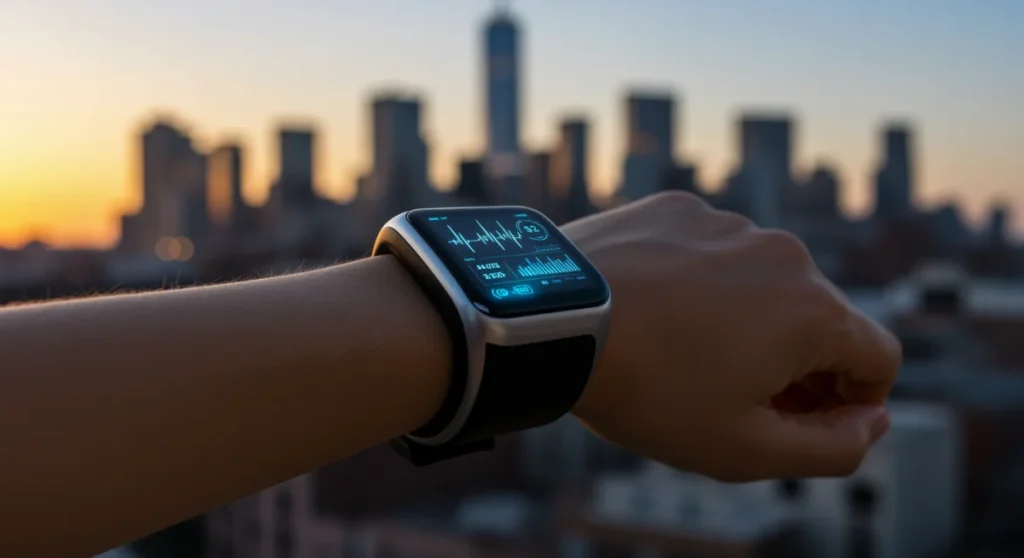
The future of personal wellness in the US is being reshaped by biohacking, with three prominent wearable tech innovations poised to revolutionize how consumers monitor, understand, and optimize their health by 2026.
The landscape of personal health is undergoing a profound transformation, driven by an accelerating interest in biohacking. In 2026, biohacking wearable tech is not just a niche concept but a burgeoning movement, particularly among US consumers seeking to elevate their well-being. This article delves into three groundbreaking wearable innovations that are set to redefine how we approach health, prevention, and optimization.
The Dawn of Personalized Health Monitoring
As we move deeper into the 21st century, the ability to monitor our health with unprecedented precision becomes increasingly vital. Personalized health monitoring, once a concept confined to science fiction, is now a tangible reality, largely thanks to advancements in wearable technology. These devices are shifting the paradigm from reactive illness treatment to proactive wellness management, empowering individuals to take control of their health journeys.
The integration of artificial intelligence and machine learning into these wearables allows for not just data collection, but also intelligent analysis and actionable insights. This means that instead of merely recording heart rates or step counts, these devices can predict potential health issues, suggest personalized interventions, and offer real-time feedback that adapts to individual physiological responses. This level of personalization is crucial for effective biohacking, enabling users to fine-tune their bodies and minds with data-driven strategies.
Beyond Basic Tracking: Predictive Analytics
Early wearable devices focused on rudimentary data like steps and calories. Today’s innovations are far more sophisticated, leveraging predictive analytics to foresee health trends. This capability allows users to make preventative adjustments to their lifestyle before problems manifest, an essential aspect of true biohacking.
- Early detection of stress patterns to prevent burnout.
- Forecasting illness onset based on subtle biometric shifts.
- Optimizing sleep cycles through adaptive environmental controls.
The evolution of personalized health monitoring signifies a monumental leap forward in how we understand and interact with our own bodies. It’s about moving from a one-size-fits-all approach to a highly individualized strategy, where each person’s unique biology and lifestyle are considered. This foundational shift is what makes the subsequent biohacking wearable tech innovations so impactful.
Continuous Glucose Monitoring Smart Patches
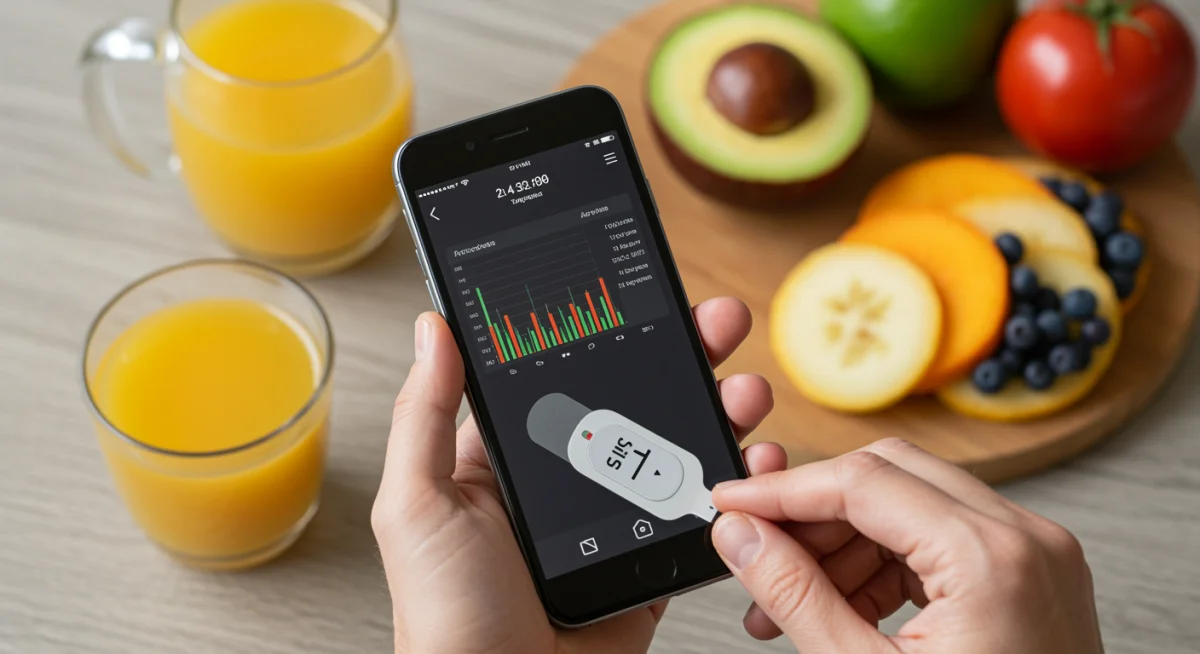
One of the most significant advancements in biohacking wearable tech for 2026 is the widespread adoption of continuous glucose monitoring (CGM) smart patches. While initially developed for individuals with diabetes, these discreet, adhesive patches are now becoming indispensable tools for a broader audience, including those seeking to optimize their diet, energy levels, and metabolic health. These patches offer real-time data on blood glucose fluctuations, providing immediate feedback on how different foods, activities, and stress levels impact one’s body.
The ability to see how your body processes carbohydrates, for instance, can lead to highly personalized dietary adjustments that support stable energy, improved mood, and better weight management. This move from periodic blood tests to continuous, passive monitoring represents a revolutionary step in understanding metabolic health, a cornerstone of effective biohacking. For US consumers, who are increasingly health-conscious, these smart patches offer a powerful new lens through which to view their nutritional choices and overall metabolic efficiency.
Real-Time Dietary Feedback
The immediate feedback provided by CGM smart patches allows for unparalleled insights into individual responses to food. This goes far beyond generic dietary advice, offering a truly personalized approach to nutrition.
- Identifying specific foods that cause glucose spikes.
- Understanding the impact of meal timing on blood sugar.
- Optimizing nutrient intake for sustained energy and focus.
The continuous data stream from these patches empowers users to make informed decisions about their meals and snacks, leading to more stable blood sugar levels throughout the day. This not only benefits those managing chronic conditions but also anyone aiming for peak cognitive and physical performance. The convenience and accuracy of these devices are rapidly making them a go-to tool for advanced dietary biohacking.
Advanced Sleep Optimization Devices
Sleep remains one of the most critical, yet often overlooked, pillars of health. In 2026, advanced sleep optimization devices are taking center stage in the biohacking movement. These wearables go far beyond simple sleep tracking, integrating sophisticated sensors and AI algorithms to provide deep insights into sleep architecture, recovery, and overall sleep quality. From smart rings that monitor heart rate variability and body temperature to headbands that use neurofeedback to guide brainwave states, these innovations are designed to help users achieve truly restorative sleep.
The focus is not just on logging hours, but on enhancing the quality of those hours, recognizing that restorative sleep is foundational for cognitive function, physical recovery, and emotional regulation. For US consumers navigating demanding lifestyles, optimizing sleep through precise, data-driven interventions offers a significant advantage in maintaining peak performance and long-term health. These devices are becoming essential tools for biohackers looking to maximize their body’s natural restorative processes.
Tailored Sleep Environments
Modern sleep optimization devices often integrate with smart home systems to create an ideal sleep environment, automatically adjusting factors like lighting, temperature, and sound based on individual sleep patterns.
- Dynamic lighting systems that mimic natural dawn and dusk cycles.
- Smart thermostats that adjust to optimize body temperature for sleep stages.
- Personalized soundscapes to facilitate relaxation and deeper sleep.
These devices provide a holistic approach to sleep, considering both internal physiological states and external environmental factors. By offering personalized recommendations and automated adjustments, they help users cultivate sleep habits that are truly conducive to optimal health and performance. The goal is to move beyond simply measuring sleep to actively improving it, making every night a truly rejuvenating experience.
Neurofeedback Wearables for Cognitive Enhancement
The third major innovation in biohacking wearable tech for 2026 is the emergence of accessible neurofeedback wearables designed for cognitive enhancement. These devices, often in the form of headbands or specialized headphones, measure brainwave activity and provide real-time feedback to help users train their brains for improved focus, reduced stress, and enhanced creativity. By making neurofeedback technology available outside of clinical settings, these wearables are democratizing access to powerful tools for mental optimization.
For US consumers facing increasing demands on their cognitive resources, these devices offer a promising avenue for improving mental resilience and performance. Whether the goal is to boost productivity during work hours, achieve deeper meditative states, or simply manage daily stressors more effectively, neurofeedback wearables provide a direct pathway to influencing brain function. This represents a significant step in extending biohacking beyond physical metrics to directly address mental and emotional well-being.
Brainwave Training for Peak Performance
Neurofeedback wearables utilize auditory or visual cues to guide brainwave patterns toward desired states, such as increased alpha waves for relaxation or beta waves for focused attention.
- Enhancing concentration during demanding tasks.
- Reducing anxiety and promoting a sense of calm.
- Improving memory recall and learning capabilities.
The ability to actively train one’s brain to enter specific states offers a profound level of control over cognitive processes. This technology is not about suppressing symptoms but about building intrinsic mental strength and flexibility. As these devices become more sophisticated and user-friendly, they are set to become a staple in the biohacker’s toolkit for achieving mental clarity and sustained cognitive peak performance.
Integrating Wearable Tech into Daily Life
The true power of these biohacking wearable tech innovations lies in their seamless integration into daily life. They are designed to be unintrusive, providing continuous data and insights without requiring constant attention. This ease of use is crucial for widespread adoption and for ensuring that the benefits of biohacking are accessible to a broad spectrum of US consumers. The data collected by these devices is increasingly being aggregated and analyzed by sophisticated AI platforms, offering a comprehensive view of an individual’s health ecosystem.
This holistic approach allows users to see how different aspects of their lifestyle—diet, sleep, exercise, and mental state—interact and influence each other. Such an integrated understanding is vital for making truly informed decisions about personal wellness. The future of health is not just about isolated data points but about understanding the complex interplay of various biological and environmental factors, all facilitated by these advanced wearables.
The Ecosystem of Wellness Data
Modern wearable tech is moving towards creating a unified ecosystem of personal health data, where information from various devices and platforms converges to provide a complete picture of well-being.
- Consolidated dashboards for all biometric data.
- AI-driven recommendations based on combined insights.
- Secure sharing options with healthcare providers for enhanced care.
The vision is a future where personal health management is highly automated and intelligently guided, allowing individuals to focus on living their lives while their tech provides essential, continuous support. This integration is transforming passive monitoring into active, personalized health management, making biohacking a practical and effective strategy for everyday wellness.
The Future Impact on US Consumer Wellness
The impact of these biohacking wearable tech innovations on US consumer wellness by 2026 is projected to be transformative. We are on the cusp of a new era where individuals are empowered with unprecedented insights into their own physiology and cognitive function. This shift will lead to more proactive health behaviors, a greater emphasis on prevention, and a more personalized approach to medical care. The traditional model of waiting for illness to strike before seeking intervention is rapidly giving way to a culture of continuous optimization and preventative biohacking.
Beyond individual benefits, the aggregation of anonymized data from millions of users could also provide invaluable insights for public health initiatives and medical research. This collective intelligence has the potential to accelerate our understanding of chronic diseases, identify population-wide health trends, and inform more effective wellness strategies at a societal level. The convergence of personal empowerment and collective knowledge makes these wearable tech advancements a cornerstone of future health and wellness in the United States.
Ethical Considerations and Data Privacy
As wearable tech becomes more integrated into our lives, discussions around data privacy and ethical implications are paramount. Ensuring secure data handling and transparent user agreements will be critical for maintaining trust and widespread adoption.
- Robust encryption protocols for sensitive health data.
- Clear user control over data sharing permissions.
- Industry standards and regulations to protect consumer privacy.
Addressing these concerns proactively will be essential for realizing the full potential of biohacking wearable tech. When trust is established, consumers will be more willing to embrace these technologies, leading to a healthier, more informed population. The future of wellness is intertwined with our ability to innovate responsibly and ethically.
| Key Innovation | Primary Benefit for Wellness |
|---|---|
| Continuous Glucose Monitoring Patches | Real-time metabolic insights for diet and energy optimization. |
| Advanced Sleep Optimization Devices | Deep analysis and environmental adjustments for restorative sleep. |
| Neurofeedback Wearables | Brainwave training for enhanced focus, reduced stress, and cognitive performance. |
| Integrated Health Ecosystems | Holistic view of health data for personalized, proactive wellness management. |
Frequently Asked Questions About Biohacking Wearables
Biohacking involves making incremental changes to your biology to optimize health and performance. Wearable tech provides the critical data and feedback needed for these optimizations, allowing individuals to monitor physiological responses and adjust lifestyle choices for better outcomes.
No, while initially for diabetics, CGM patches are increasingly used by non-diabetics for metabolic optimization. They offer real-time insights into how diet and activity affect blood sugar, helping anyone optimize energy, weight, and overall health.
These devices analyze sleep stages, heart rate variability, and other metrics to provide personalized recommendations. They can also integrate with smart home systems to optimize the sleep environment, ensuring deeper and more restorative rest.
Neurofeedback wearables measure brainwave activity and provide feedback to help users train their brains. This can lead to improved focus, reduced stress, enhanced creativity, and better emotional regulation, contributing to overall cognitive well-being.
AI is crucial for analyzing vast amounts of biometric data from wearables, identifying patterns, and providing actionable, personalized insights. It helps predict health trends, optimize interventions, and create a holistic view of individual wellness.
Conclusion
The landscape of wellness for US consumers is on the brink of a profound revolution, spearheaded by the rapid advancements in biohacking wearable tech. By 2026, innovations like continuous glucose monitoring smart patches, advanced sleep optimization devices, and neurofeedback wearables will not merely be gadgets but essential tools for personalized health management. These technologies empower individuals to move beyond conventional health approaches, fostering a proactive and data-driven journey toward optimal well-being. As these devices become more integrated and intelligent, they promise a future where understanding and optimizing our bodies is not just a possibility, but an accessible reality for everyone seeking to live a healthier, more fulfilled life.