IRA Healthcare Impact: 3 Policy Shifts Reducing Drug Prices 15% for Seniors

The Inflation Reduction Act’s healthcare impact significantly reduces drug prices for seniors by 15% by 2026 through three critical policy shifts: Medicare drug price negotiation, inflation caps, and out-of-pocket spending limits.
For many seniors across the United States, the cost of prescription medications has long been a significant barrier to maintaining their health. The financial strain of high drug prices can force difficult choices between essential medicines and other necessities. However, a landmark piece of legislation, The Inflation Reduction Act’s Healthcare Impact: 3 Policy Shifts Reducing Drug Prices by 15% for Seniors in 2026, is poised to bring substantial relief. This act introduces pivotal changes designed to make healthcare more affordable and accessible, particularly for older adults.
Understanding the Inflation Reduction Act’s Core Healthcare Goals
The Inflation Reduction Act (IRA), signed into law in August 2022, represents a monumental effort to address longstanding issues within the American healthcare system. Beyond its climate and energy provisions, the IRA includes significant reforms aimed at lowering prescription drug costs for Medicare beneficiaries. These changes are not merely incremental; they signify a fundamental shift in how drug prices are determined and managed within the federal healthcare program.
At its heart, the IRA seeks to empower Medicare, leveraging its considerable purchasing power to negotiate lower prices directly with pharmaceutical companies. This direct negotiation capability is a departure from previous policy, where Medicare was largely prohibited from bargaining for drug costs. The implications of this shift are profound, promising to alleviate financial burdens on seniors and potentially influence drug pricing across the entire market.
Historical Context of Drug Pricing
For decades, the pharmaceutical industry has operated under a system that often resulted in some of the highest drug prices globally. This environment left many seniors vulnerable to escalating costs, particularly for new and innovative treatments. Understanding this history is crucial to appreciating the transformative potential of the IRA.
- Lack of Negotiation: Prior to the IRA, Medicare Part D, which covers outpatient prescription drugs, could not directly negotiate prices with manufacturers. This limitation often led to higher costs for beneficiaries.
- Manufacturer Autonomy: Pharmaceutical companies largely set their own prices, with little governmental oversight or negotiation leverage from major payers like Medicare.
- Impact on Seniors: High out-of-pocket costs forced many seniors to skip doses, delay prescriptions, or forgo necessary medications altogether, leading to poorer health outcomes.
The Promise of Affordability
The architects of the IRA envisioned a future where seniors would no longer face impossible choices due to drug costs. By implementing these reforms, the act aims to not only reduce individual financial burdens but also to strengthen the Medicare program itself, ensuring its sustainability for future generations. The projected 15% reduction in drug prices for seniors by 2026 is a tangible goal, reflecting the act’s ambitious yet achievable objectives.
This reduction is anticipated to manifest through several interconnected mechanisms, each designed to tackle a specific aspect of drug pricing. From direct negotiation to inflation caps and out-of-pocket spending limits, the IRA creates a comprehensive framework for a more equitable and affordable prescription drug landscape.
Policy Shift 1: Medicare Drug Price Negotiation
One of the most revolutionary aspects of the Inflation Reduction Act is the introduction of Medicare drug price negotiation. Historically, this was a power denied to Medicare, leaving it unable to bargain for better prices even as other countries and private insurers routinely did. The IRA changes this dynamic entirely, granting Medicare the authority to negotiate prices for certain high-cost prescription drugs, a move expected to have a significant impact on affordability for seniors.
This policy shift began with a selected number of costly drugs in 2023, with negotiated prices taking effect in 2026. The number of drugs subject to negotiation will gradually increase over time, expanding the reach of this cost-saving measure. The process involves direct talks between the Centers for Medicare & Medicaid Services (CMS) and pharmaceutical manufacturers to arrive at a fair price, based on the drug’s clinical value and the availability of alternatives.
How Negotiation Will Work
The negotiation process is structured to be methodical and data-driven. CMS identifies eligible drugs based on criteria such as their cost to Medicare, age on the market, and lack of generic or biosimilar competition. Once a drug is selected, CMS engages manufacturers in negotiations, considering various factors to determine a maximum fair price (MFP).
- Drug Selection: CMS identifies the most expensive single-source drugs covered under Medicare Part D and Part B that have been on the market for a certain period without generic competition.
- Negotiation Factors: CMS considers research and development costs, production and distribution costs, current prices in other countries, and the drug’s clinical benefits and unmet medical needs.
- Implementation Timeline: The first negotiated prices for Part D drugs will go into effect in 2026, with Part B drugs following in 2028.
Expected Impact on Seniors
The direct impact on seniors will be a reduction in their out-of-pocket costs for the negotiated drugs. This means lower co-pays and deductibles, making essential medications more accessible. The savings are not theoretical; they are designed to be immediate and tangible for beneficiaries. Furthermore, the negotiation process could encourage pharmaceutical companies to innovate in areas where competition is lacking, potentially leading to newer, more affordable treatments.
Beyond the direct financial relief, this policy shift also aims to create a more balanced market. By giving Medicare a seat at the bargaining table, the IRA challenges the traditional power dynamic, fostering an environment where drug prices are more reflective of their true value and less subject to unilateral increases. This fundamental change is a cornerstone of the IRA’s strategy to achieve the 15% drug price reduction for seniors by 2026.
Policy Shift 2: Inflation Rebates for Drug Prices
The second critical policy shift within the Inflation Reduction Act addresses the pervasive issue of drug price inflation. For years, pharmaceutical companies have often increased the prices of their medications faster than the rate of inflation, placing an ever-growing financial burden on consumers and the Medicare program. The IRA introduces a mechanism to curb these increases: an inflation rebate program.
This provision mandates that if drug manufacturers raise the prices of certain Medicare-covered drugs faster than the rate of inflation, they must pay a rebate back to Medicare. This acts as a powerful disincentive against arbitrary price hikes, ensuring that the cost of medications remains more stable and predictable for seniors. The policy effectively ties drug price increases to a measure of economic stability, safeguarding beneficiaries from exorbitant cost escalations.
Mechanism of Inflation Rebates
The inflation rebate mechanism is relatively straightforward yet highly impactful. CMS tracks the prices of drugs covered under Medicare Parts B and D. If the manufacturer’s average sales price for a drug increases faster than the consumer price index for all urban consumers (CPI-U), a rebate is triggered. This rebate is then paid back to Medicare, which can translate into lower costs for beneficiaries.
- Benchmark Price: The rebate is calculated based on the difference between a drug’s current price and its inflation-adjusted benchmark price, typically from a base year.
- Scope: This provision applies to a wide range of drugs covered by Medicare, including those administered in a doctor’s office (Part B) and those dispensed at a pharmacy (Part D).
- Deterrent Effect: The primary goal is to deter manufacturers from raising prices beyond the rate of inflation, thereby stabilizing drug costs over time.
Benefits for Medicare Beneficiaries
For seniors, the inflation rebate program means greater predictability and protection against sudden, significant increases in drug costs. It ensures that the purchasing power of their fixed incomes is not eroded by unchecked pharmaceutical price hikes. This stability is particularly valuable for individuals managing chronic conditions that require long-term medication use, as it allows for better financial planning and reduces anxiety about future drug expenses.
Beyond individual savings, the rebates also benefit the Medicare program as a whole, helping to reduce its overall spending on prescription drugs. This contributes to the program’s long-term solvency and allows for resources to be allocated more effectively. By curbing inflationary increases, the IRA reinforces its commitment to making healthcare more affordable and sustainable, directly supporting the goal of a 15% drug price reduction by 2026.
Policy Shift 3: Capping Out-of-Pocket Drug Costs for Seniors
The third transformative policy shift within the Inflation Reduction Act is the establishment of an annual cap on out-of-pocket prescription drug costs for Medicare Part D beneficiaries. This provision is arguably one of the most impactful for seniors, as it directly addresses the catastrophic financial burden that high drug costs can impose. For too long, there was no limit on how much a senior might have to pay for their medications in a given year, leading to immense financial hardship for those with chronic or rare diseases.
Starting in 2025, the IRA will cap out-of-pocket spending for Part D at $2,000 per year. This means that once a senior reaches this threshold, Medicare will cover 100% of their remaining prescription drug costs for the rest of the year. This cap is a game-changer, providing a crucial safety net and peace of mind for millions of older adults who rely on multiple or expensive medications.
Phased Implementation of the Cap
The out-of-pocket cap is being implemented in phases to ensure a smooth transition and allow beneficiaries to adjust. While the full $2,000 cap takes effect in 2025, there are intermediate steps designed to provide relief even sooner. These include eliminating the 5% co-insurance in the catastrophic phase of Part D beginning in 2024, which already offers significant savings for those with very high drug costs.
- 2024 Changes: Elimination of the 5% co-insurance in the catastrophic phase, reducing costs for those with the highest drug expenses.
- 2025 Full Cap: A hard cap of $2,000 on annual out-of-pocket spending for all Medicare Part D beneficiaries.
- Monthly Payment Option: Beneficiaries will also have the option to spread their out-of-pocket costs throughout the year in monthly payments, preventing sudden financial shocks.
Profound Impact on Senior Finances and Health
The $2,000 out-of-pocket cap will have a profound impact on the financial stability and health outcomes of seniors. No longer will individuals face unlimited bills for essential medications. This security allows seniors to adhere to their prescribed treatment regimens without fear of financial ruin, leading to better disease management and improved overall health. It removes a significant barrier to accessing necessary care, especially for those with complex health needs.
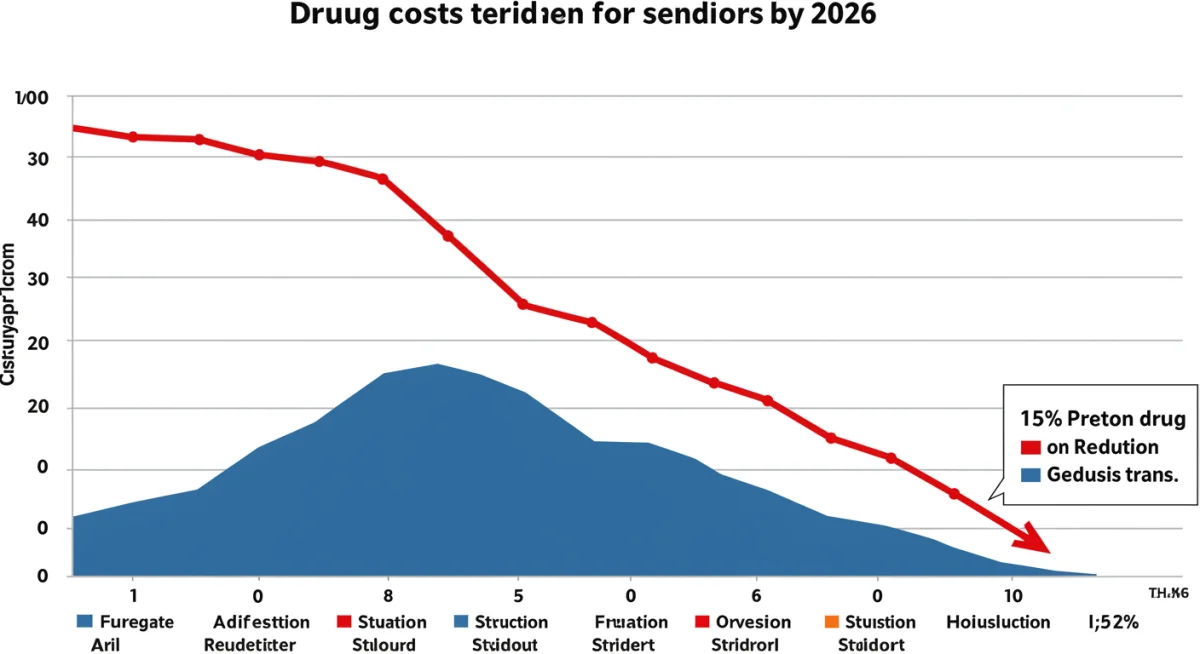
For many, this cap means the difference between being able to afford life-saving drugs and having to make impossible choices. It is a direct measure to ensure that seniors can access the medications they need, contributing significantly to the IRA’s overarching goal of achieving a 15% drug price reduction for seniors by 2026 and alleviating the burden of healthcare costs.
The Combined Effect: A 15% Reduction by 2026
The true power of the Inflation Reduction Act’s healthcare provisions lies not in any single policy, but in the synergistic effect of all three major shifts working in concert. Medicare drug price negotiation, inflation rebates, and the out-of-pocket spending cap are designed to complement each other, creating a comprehensive framework that drives down costs and enhances affordability for seniors. The aspiration to achieve a 15% reduction in drug prices for seniors by 2026 is a direct outcome of this integrated approach.
Each policy addresses a different facet of the drug pricing problem. Negotiation tackles the initial high launch prices of new medications. Inflation rebates prevent existing drug prices from spiraling out of control. The out-of-pocket cap provides a crucial financial safety net, ensuring that even with reduced prices, no senior faces catastrophic drug costs. Together, these mechanisms create a robust system aimed at reining in pharmaceutical expenses.
How the Policies Interact
Consider a scenario where a high-cost drug is selected for Medicare negotiation. The negotiated price will directly lower the cost for beneficiaries. If the manufacturer then attempts to raise that negotiated price beyond inflation in subsequent years, the inflation rebate mechanism kicks in, further stabilizing costs. Finally, regardless of these measures, any senior whose total drug expenses still exceed $2,000 annually will be protected by the out-of-pocket cap.
- Negotiation and Rebates: Negotiation sets a lower baseline price, while inflation rebates prevent future unwarranted increases from that new baseline.
- Out-of-Pocket Cap as a Safety Net: The cap ensures that even with the other two policies in place, individuals with exceptionally high drug needs are not left with unmanageable bills.
- Market Influence: The collective pressure from these policies is expected to influence overall market behavior, potentially leading to lower drug prices even for those not directly covered by Medicare.
Projected Savings and Beneficiary Impact
Analyses by various independent organizations and government bodies project significant savings for both Medicare and its beneficiaries. The 15% reduction by 2026 is a conservative estimate, with some analyses suggesting even greater long-term savings. These savings translate into real money back in the pockets of seniors, allowing them to better manage their budgets, improve their health, and enhance their overall quality of life.
The combined impact extends beyond mere financial relief. It fosters a sense of security and equity within the healthcare system, ensuring that access to life-saving medications is not solely determined by one’s ability to pay. This holistic approach underscores the IRA’s commitment to fundamental reform in prescription drug affordability for older Americans.
Challenges and Future Outlook for Drug Price Reduction
While the Inflation Reduction Act promises substantial benefits, its implementation is not without challenges. The pharmaceutical industry has expressed strong opposition to certain provisions, particularly drug price negotiation, leading to legal challenges and intense lobbying efforts. Navigating these complexities will be crucial to realizing the full potential of the IRA’s healthcare reforms and ensuring the projected 15% reduction in drug prices for seniors by 2026.
Ongoing monitoring and evaluation will be necessary to assess the effectiveness of the policies and to make any necessary adjustments. The success of the IRA hinges on the steadfast commitment of regulatory bodies to implement its provisions as intended, despite potential headwinds. The long-term outlook, however, remains optimistic, with the act laying a foundational shift in how drug costs are managed.
Industry Resistance and Legal Battles
Pharmaceutical companies argue that price negotiation will stifle innovation, leading to fewer new drugs being developed. They have initiated lawsuits challenging the constitutionality of the negotiation provisions. These legal battles could potentially delay or alter the implementation of certain aspects of the IRA. However, proponents of the act counter that innovation can continue even with more reasonable drug pricing, as evidenced in other developed nations.
- Litigation: Multiple pharmaceutical companies and industry groups have filed lawsuits against the negotiation provisions, citing Fifth Amendment concerns.
- Lobbying Efforts: Extensive lobbying continues to influence public opinion and legislative debates surrounding the IRA’s healthcare components.
- Innovation Debate: A key point of contention is whether price negotiation will hinder the development of new, life-saving medications.
Long-Term Sustainability and Evolution
Beyond the immediate implementation, the IRA’s long-term sustainability will depend on its ability to adapt to future healthcare landscapes and technological advancements. The act sets a precedent for government intervention in drug pricing, which could pave the way for further reforms or expansions of its provisions. The ongoing evolution of drug development and healthcare delivery will require continuous assessment of the act’s impact.
Despite the challenges, the Inflation Reduction Act marks a significant turning point in U.S. healthcare policy. Its focus on reducing drug prices for seniors is a critical step towards a more equitable and affordable system. The journey to achieving the full 15% reduction by 2026 is complex, but the foundational policies are in place to make this vision a reality, offering much-needed relief to millions of older Americans.
Empowering Seniors: A New Era of Healthcare Affordability
The Inflation Reduction Act is more than just a legislative package; it represents a philosophical shift in how the United States approaches healthcare affordability for its senior population. By directly confronting the challenge of high prescription drug costs, the act empowers seniors with greater financial security and better access to essential medications. This new era of healthcare affordability is characterized by a commitment to equitable access and sustainable pricing, directly benefiting those who often bear the brunt of healthcare expenses.
The three core policy shifts—Medicare drug price negotiation, inflation rebates, and the out-of-pocket spending cap—are meticulously designed to create a comprehensive safety net. These measures are not merely about saving money; they are about improving health outcomes, reducing stress, and ensuring that older adults can live with dignity and access the care they need without facing insurmountable financial barriers. The anticipated 15% reduction in drug prices for seniors by 2026 is a testament to the act’s transformative potential.
Personal Stories and Real-World Impact
While the statistics and policy details are crucial, the true impact of the IRA will be measured in the personal stories of seniors whose lives are improved. Imagine a senior no longer having to choose between groceries and their heart medication, or an individual managing diabetes without the constant fear of hitting the catastrophic coverage gap. These are the real-world implications of the act, fostering a healthier and more secure retirement for many.
- Reduced Financial Stress: Lower drug costs mean more disposable income for other necessities or leisure activities.
- Improved Medication Adherence: Affordability leads to consistent medication use, better disease management, and fewer health complications.
- Enhanced Quality of Life: Access to necessary drugs without financial burden contributes to overall well-being and peace of mind.
A Model for Future Healthcare Reforms
The Inflation Reduction Act could serve as a blueprint for future healthcare reforms, demonstrating that significant progress in affordability is achievable. Its success in reducing drug prices for seniors may inspire similar initiatives in other areas of healthcare, ultimately leading to a more just and accessible system for all Americans. The journey is ongoing, but the initial steps taken by the IRA are undeniably significant.
As 2026 approaches, the full effects of these policies will become increasingly evident. The promise of a 15% reduction in drug prices for seniors is not just a number; it represents a tangible improvement in the lives of millions, marking a new chapter in American healthcare focused on affordability and patient well-being. The act stands as a powerful example of how policy can directly address critical societal needs and reshape the future of health.
| Key Policy Shift | Brief Description |
|---|---|
| Medicare Drug Negotiation | Allows Medicare to directly negotiate prices for high-cost prescription drugs, starting with a select number of medications. |
| Inflation Rebates | Requires drug manufacturers to pay rebates to Medicare if they raise prices faster than the rate of inflation. |
| Out-of-Pocket Cap | Establishes an annual $2,000 limit on out-of-pocket prescription drug costs for Medicare Part D beneficiaries by 2025. |
| Projected Impact | Collectively, these policies aim to reduce drug prices for seniors by an estimated 15% by 2026, enhancing affordability. |
Frequently Asked Questions About IRA’s Drug Price Reductions
Initially, a select number of high-cost, single-source drugs covered under Medicare Part D and Part B, which have been on the market for a specified period without generic or biosimilar competition, are eligible for negotiation. The list of eligible drugs will expand over time, focusing on those with the highest Medicare spending.
The first negotiated prices for Medicare Part D drugs will take effect in 2026. However, some benefits, like the elimination of the 5% co-insurance in the catastrophic phase of Part D, began in 2024, providing earlier relief for those with very high drug costs.
Starting in 2025, Medicare Part D beneficiaries will have their annual out-of-pocket prescription drug costs capped at $2,000. Once this threshold is met, Medicare will cover 100% of their remaining drug costs for the rest of the year, significantly reducing financial burden.
These changes primarily affect seniors enrolled in Medicare Part D (prescription drug plans) and Part B (medical insurance), which covers physician-administered drugs. While the direct impacts are on Medicare beneficiaries, the broader market may also see some indirect effects due to increased competition and pricing pressure.
The 15% reduction by 2026 is a projected aggregate savings figure resulting from the combined impact of Medicare drug price negotiation, inflation rebates, and the out-of-pocket spending cap. It represents a tangible goal for improving drug affordability and financial security for millions of seniors across the United States.
Conclusion
The Inflation Reduction Act stands as a landmark legislative achievement, particularly for its profound impact on healthcare affordability for seniors. Through its three pivotal policy shifts—Medicare drug price negotiation, inflation rebates, and the $2,000 out-of-pocket spending cap—the act is poised to deliver a significant 15% reduction in drug prices for seniors by 2026. This comprehensive approach addresses various facets of the drug cost crisis, moving beyond incremental changes to implement systemic reforms. The IRA not only promises substantial financial relief for millions of older Americans but also aims to foster a more equitable and sustainable healthcare system, ensuring that access to life-saving medications is a right, not a privilege determined by one’s ability to pay. As these policies take full effect, the positive transformation in the lives of seniors will undoubtedly be a testament to the act’s enduring legacy.