Personalized Nutrition 2026: Key Trends for US Consumers

The new era of personalized nutrition in 2026 is defined by four key trends: DNA-based dietary recommendations, gut microbiome optimization, AI-driven meal planning, and hyper-customized supplements, empowering US consumers to achieve precise health goals.
As we step further into the future, navigating the new era of personalized nutrition: 4 key trends for US consumers in 2026 is becoming not just a possibility, but a reality shaping how Americans approach health and wellness. Forget one-size-fits-all diets; the focus is now on tailored approaches that address individual needs, genetic predispositions, and lifestyle choices.
The rise of DNA-based dietary recommendations
The concept of eating right for your genes is no longer science fiction. In 2026, DNA-based dietary recommendations have become a cornerstone of personalized nutrition, offering a profound shift from generic advice to highly specific guidance. Understanding your genetic makeup allows for a diet plan that is optimally aligned with your body’s unique requirements, influencing everything from nutrient absorption to metabolic responses.
This trend is driven by advancements in genetic sequencing and bioinformatics, making it more accessible and affordable for the average consumer. Companies now provide detailed reports that translate complex genetic data into actionable dietary advice, helping individuals prevent potential health issues and optimize their overall well-being. It’s about empowering consumers with knowledge about their own biology.
Understanding your genetic blueprint
Your DNA holds a wealth of information about how your body processes food, utilizes nutrients, and reacts to certain ingredients. Genetic testing can reveal predispositions to conditions like lactose intolerance, celiac disease, or even sensitivities to caffeine. This information is invaluable for creating a diet that supports your health rather than unknowingly working against it.
- Nutrient metabolism insights: Discover how efficiently your body metabolizes vitamins, minerals, and macronutrients.
- Food sensitivities: Identify genetic markers linked to adverse reactions to specific foods.
- Disease predisposition: Understand genetic risks for diet-related chronic conditions.
The practical application of DNA insights
Once you have your genetic report, the next step is integrating these insights into your daily eating habits. This often involves working with dietitians or nutritionists who specialize in nutrigenomics. They can help you interpret your results and develop a personalized meal plan that leverages your genetic strengths and mitigates your weaknesses.
For many, this means a complete overhaul of their existing diet, while for others, it might involve subtle adjustments. The key is that these recommendations are backed by scientific data specific to you, leading to more sustainable and effective health outcomes. The era of trial-and-error dieting is slowly fading, replaced by precision nutrition.
Optimizing gut microbiome for enhanced health
Our gut microbiome, a complex ecosystem of trillions of microorganisms, is increasingly recognized as a crucial determinant of overall health. In 2026, optimizing the gut microbiome has emerged as a significant trend in personalized nutrition, moving beyond simple probiotics to sophisticated, data-driven interventions. This focus acknowledges the profound impact gut health has on digestion, immunity, mood, and even chronic disease prevention.
Advances in microbiome testing allow for a detailed analysis of an individual’s gut flora, identifying imbalances and opportunities for improvement. These insights then inform highly specific dietary and lifestyle recommendations, fostering a healthier internal environment that supports a wide range of bodily functions. It’s a holistic approach that recognizes the interconnectedness of our internal systems.
The intricate world of gut health
The balance of bacteria in our gut plays a critical role in nutrient absorption, vitamin synthesis, and protection against pathogens. An imbalanced microbiome, known as dysbiosis, has been linked to various health issues, including digestive disorders, autoimmune conditions, and even mental health challenges. Understanding and nurturing this ecosystem is paramount.
- Digestive efficiency: A healthy gut ensures optimal breakdown and absorption of food.
- Immune system support: A significant portion of our immune system resides in the gut.
- Mental well-being: The gut-brain axis highlights the strong connection between gut health and mood.
Personalized strategies for gut optimization
Microbiome testing provides a snapshot of your gut’s current state, allowing experts to recommend targeted interventions. This might include specific prebiotics to feed beneficial bacteria, tailored probiotic strains, or a diet rich in diverse fiber sources. The goal is to cultivate a diverse and resilient microbiome that contributes to long-term health.
Dietary changes often involve increasing fermented foods, incorporating a wider variety of plant-based foods, and reducing processed items. Beyond diet, lifestyle factors such as stress management, sleep quality, and physical activity also play a crucial role in maintaining a healthy gut. The personalized nature of these recommendations ensures that interventions are effective and sustainable for each individual.
AI-driven meal planning and digital nutrition coaches
Artificial intelligence is revolutionizing the way US consumers approach personalized nutrition in 2026, making tailored meal planning and expert guidance more accessible than ever before. AI-driven platforms and digital nutrition coaches leverage vast amounts of data—from individual health metrics and dietary preferences to real-time activity levels and even environmental factors—to create dynamic and highly effective nutritional strategies. This technology moves beyond static meal plans, offering adaptive recommendations that evolve with the user’s progress and changing needs.
These intelligent systems can analyze complex nutritional information, predict dietary impacts, and provide instant feedback, empowering users to make informed choices. The convenience and precision offered by AI are transforming the daily experience of managing diet, making personalized nutrition a seamless part of modern life. It’s like having a personal nutritionist available 24/7.
The power of algorithmic recommendations
AI algorithms are capable of processing and learning from an unprecedented volume of data. When applied to personalized nutrition, this means they can:
- Analyze dietary intake: Track and evaluate calorie, macronutrient, and micronutrient consumption.
- Suggest recipes: Generate meal ideas that align with individual preferences, allergies, and health goals.
- Adapt to progress: Modify recommendations based on weight changes, energy levels, and health markers.
This level of adaptability ensures that meal plans remain relevant and effective over time, helping individuals stay on track with their wellness journeys. The system learns from user input and outcomes, continuously refining its advice.

Digital coaches: your pocket nutritionist
Digital nutrition coaches, powered by AI, go beyond simple meal planning. They offer interactive support, answering questions, providing motivation, and even identifying potential pitfalls. These platforms often integrate with wearable devices, collecting data on activity, sleep, and heart rate to provide a truly holistic view of a user’s health.
The continuous feedback loop created by AI and digital coaching fosters greater adherence to personalized plans, making it easier for consumers to adopt and maintain healthy eating habits. This accessibility democratizes expert nutritional guidance, bringing it to a wider audience who may not have access to traditional nutritionists.
Hyper-customized supplements and functional foods
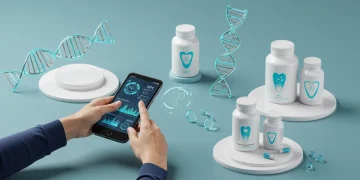
The supplement industry is undergoing a radical transformation, driven by the demand for hyper-customized solutions tailored to individual needs. In 2026, personalized nutrition extends to supplements and functional foods, moving away from generic formulations towards products precisely designed to address specific deficiencies, genetic predispositions, and health goals. This trend is fueled by advanced diagnostic testing and sophisticated manufacturing processes, allowing for unparalleled precision in nutrient delivery.
Consumers are no longer content with off-the-shelf vitamins; they seek supplements that are scientifically formulated based on their unique biochemical profiles. This precision ensures that individuals receive exactly what their bodies need, maximizing efficacy and minimizing waste. Functional foods are also evolving, incorporating specific ingredients to provide targeted health benefits beyond basic nutrition.
Tailoring supplements to your unique biology
The era of hyper-customized supplements begins with a thorough assessment of an individual’s health. This can involve blood tests, genetic panels, and even microbiome analysis to identify specific nutrient deficiencies or metabolic requirements. Based on these insights, custom formulations are created, often containing a blend of vitamins, minerals, amino acids, and botanical extracts.
- Targeted nutrient delivery: Supplements are designed to address specific deficiencies or support particular bodily functions.
- Genetic compatibility: Formulations consider genetic variations that affect nutrient absorption and metabolism.
- Dynamic adjustments: Supplement plans can be adjusted over time based on changing health needs and progress.
The evolution of functional foods
Functional foods are also becoming more sophisticated, offering benefits beyond basic sustenance. These foods are fortified with specific nutrients or bioactive compounds to support particular health outcomes, such as improved cognitive function, enhanced gut health, or better energy levels. Examples include probiotic-rich yogurts, omega-3 enriched eggs, or protein bars designed for specific athletic needs.
The integration of personalized data into functional food development ensures that these products are not just generally healthy, but specifically beneficial for the individual consumer. This synergy between diagnostics, supplements, and functional foods creates a powerful ecosystem for achieving optimal health through highly individualized nutritional strategies.
Ethical considerations and data privacy in personalized nutrition
As personalized nutrition becomes more prevalent, the ethical implications surrounding data privacy and consumer trust are coming to the forefront in 2026. The collection and analysis of sensitive personal information, including genetic data, health records, and dietary habits, raise significant questions about how this data is stored, used, and protected. Consumers are increasingly aware of these issues and demand transparency and robust security measures from companies offering personalized nutrition services.
Ensuring the responsible handling of personal data is paramount for maintaining consumer confidence and fostering the continued growth of this innovative field. Companies must not only comply with regulatory frameworks but also proactively implement best practices for data protection and user consent. The future of personalized nutrition hinges on building a foundation of trust and ethical responsibility.
Safeguarding sensitive personal data
The nature of personalized nutrition requires access to highly sensitive information. This includes genetic sequences, blood test results, and detailed dietary logs. Protecting this data from breaches and misuse is a non-negotiable requirement. Companies are investing heavily in encryption, secure servers, and strict access controls to safeguard consumer information.
- Robust encryption protocols: Protecting data both in transit and at rest.
- Strict access controls: Limiting who can view and process sensitive information.
- Regular security audits: Ensuring systems are resilient against cyber threats.
Transparency and informed consent
Beyond security, transparency in data practices is crucial. Consumers need to clearly understand what data is being collected, how it will be used, and who it will be shared with. Clear, concise privacy policies and easily understandable consent forms are essential for building trust. Users should have the right to access, correct, and delete their data.
The ethical use of genetic data, in particular, requires careful consideration to prevent discrimination or misuse. As personalized nutrition continues to evolve, ongoing dialogue between consumers, providers, and regulators will be vital to establish and maintain high ethical standards, ensuring that the benefits of this technology are realized responsibly.
Accessibility and affordability of personalized nutrition
While the benefits of personalized nutrition are clear, its accessibility and affordability remain critical considerations for widespread adoption among US consumers in 2026. Historically, advanced health services have often been exclusive, but the goal is to democratize personalized nutrition, making it available to a broader demographic. This involves addressing cost barriers, improving insurance coverage, and developing scalable solutions that can reach diverse communities. The true impact of personalized nutrition can only be realized if it is not limited to a select few.
Efforts are underway to reduce the cost of diagnostic tests, develop more affordable AI-driven platforms, and integrate personalized nutrition into mainstream healthcare models. This push for greater accessibility ensures that more individuals can benefit from tailored dietary advice, leading to a healthier and more equitable society. It’s about making wellness accessible to everyone.
Bridging the cost gap
The initial costs associated with genetic testing, microbiome analysis, and personalized supplement formulations can be a barrier for many. However, technological advancements and increased competition are steadily driving down these prices. Additionally, innovative business models, such as subscription services and tiered plans, are making personalized nutrition more financially manageable.
- Decreasing test costs: Genetic and microbiome testing becoming more affordable.
- Insurance integration: Growing recognition by health insurers for coverage of personalized nutrition services.
- Flexible payment options: Subscription models and payment plans to ease financial burden.
Expanding reach and inclusivity
Beyond cost, ensuring that personalized nutrition services are accessible to all demographics, regardless of geographic location or socioeconomic status, is vital. This includes developing user-friendly platforms that cater to varying levels of tech literacy and providing culturally sensitive dietary recommendations. Public health initiatives can also play a role in educating communities about the benefits and availability of personalized nutrition.
Telehealth and remote consultations are proving instrumental in expanding the reach of personalized nutrition experts, allowing individuals in rural areas or those with mobility challenges to access services. By focusing on both affordability and broad accessibility, personalized nutrition can truly transform public health outcomes across the United States.
| Key Trend | Brief Description |
|---|---|
| DNA-Based Diets | Tailoring dietary plans based on individual genetic predispositions for optimal health. |
| Gut Microbiome Optimization | Using advanced testing to balance gut flora for improved digestion, immunity, and mood. |
| AI-Driven Meal Planning | Utilizing artificial intelligence for dynamic, personalized meal plans and digital coaching. |
| Hyper-Customized Supplements | Developing supplements and functional foods precisely formulated for individual biochemical needs. |
Frequently asked questions about personalized nutrition
Personalized nutrition is an approach to diet and health that tailors recommendations to an individual’s unique characteristics, including genetics, lifestyle, microbiome, and health goals. It moves beyond generic dietary advice to provide precise, data-driven guidance for optimal well-being and disease prevention.
DNA-based diets involve analyzing an individual’s genetic profile to understand how their body processes nutrients, metabolizes certain foods, and may be predisposed to specific conditions. This genetic information then guides the creation of a highly specific dietary plan designed to optimize health and address individual biological needs effectively.
Yes, AI-driven meal planning utilizes algorithms to analyze personal health data, dietary preferences, and real-time activity levels to generate dynamic, adaptive meal plans. These platforms can suggest recipes, track nutrient intake, and adjust recommendations as health goals evolve, providing a highly efficient and personalized nutritional coaching experience.
Hyper-customized supplements are formulations of vitamins, minerals, and other bioactive compounds precisely tailored to an individual’s specific deficiencies, genetic predispositions, and health objectives. Unlike generic supplements, these are developed based on advanced diagnostic tests, ensuring optimal efficacy and targeted nutrient delivery for unique biological needs.
While historically exclusive, efforts are being made to increase the accessibility and affordability of personalized nutrition. Technological advancements are lowering test costs, and new business models and potential insurance integrations aim to make these services available to a broader range of US consumers, promoting more equitable health outcomes.
Conclusion
The landscape of health and wellness is rapidly evolving, and navigating the new era of personalized nutrition: 4 key trends for US consumers in 2026 marks a pivotal moment in how we approach our well-being. From the precision of DNA-based diets to the intelligence of AI-driven meal plans, and from the intricate balance of the gut microbiome to the tailored support of hyper-customized supplements, the future of nutrition is deeply personal. These trends promise not just better health outcomes, but a more informed and empowered consumer base, ready to embrace a future where diet is truly designed for one: you.