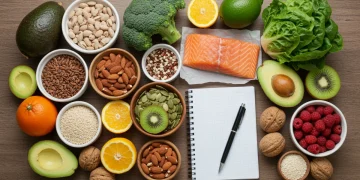
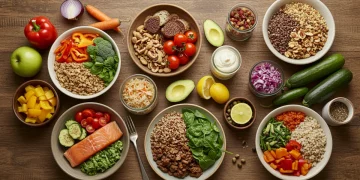
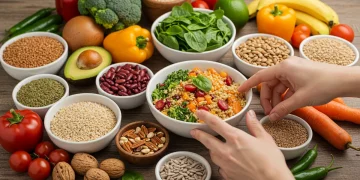
Gut-Brain Axis: 2026 Research on Mental Well-being & Diet
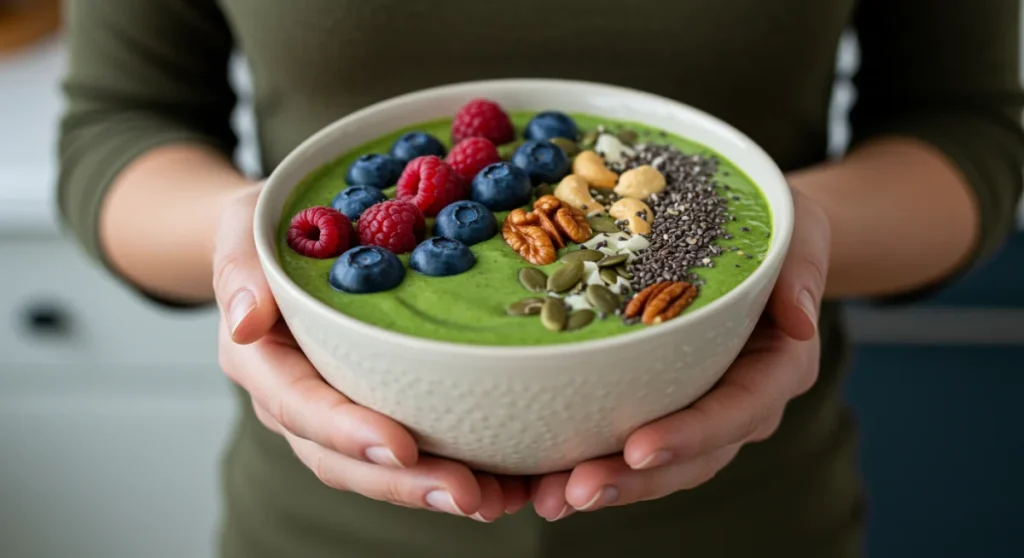
The latest 2026 research unequivocally links optimal gut health to enhanced mental well-being, demonstrating that targeted dietary interventions can profoundly influence mood, stress resilience, and cognitive function through the gut-brain axis.
New research for 2026: The Role of Gut Health in Mental Well-being – 4 Actionable Dietary Changes (RECENT UPDATES) is increasingly revealing the profound and intricate connection between our digestive system and our psychological state. It’s a fascinating area of study that challenges previous assumptions about mental health, suggesting that the path to a healthier mind might begin in the gut. This understanding opens up exciting new avenues for preventative care and therapeutic interventions.
Unpacking the Gut-Brain Axis: A 2026 Perspective
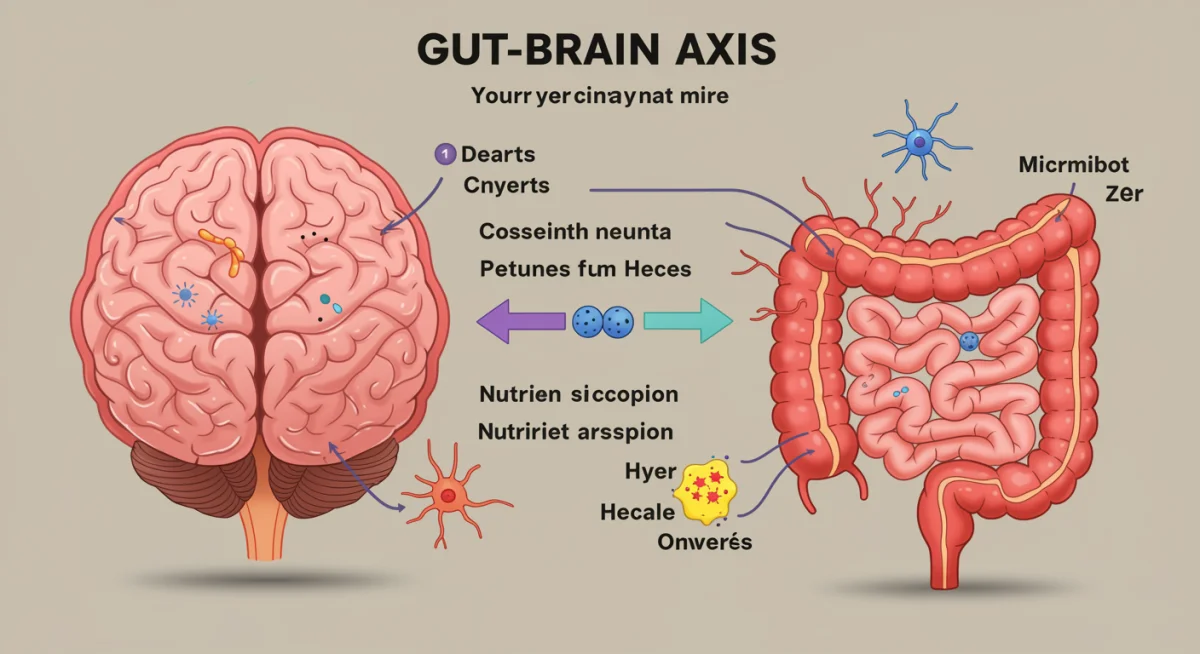
The concept of the gut-brain axis has evolved significantly over the past few years, with 2026 research providing even deeper insights into its complex mechanisms. This bidirectional communication system involves neural, endocrine, and immune pathways, all heavily influenced by the trillions of microorganisms residing in our gut. Understanding this axis is crucial for anyone seeking to optimize their mental well-being.
Think of your gut as a second brain, constantly sending signals to your primary brain. These signals can influence everything from your mood and stress levels to your cognitive function and decision-making. Disruptions in this communication, often stemming from an imbalanced gut microbiome, are increasingly linked to various mental health conditions.
The Microbiome’s Influence on Neurotransmitters
One of the most compelling discoveries is the role of the gut microbiome in producing neurotransmitters. These chemical messengers, traditionally associated with the brain, are also synthesized by gut bacteria. For instance, a significant portion of the body’s serotonin, a key mood regulator, is produced in the gut.
- Serotonin Production: Gut microbes contribute to the synthesis of serotonin, impacting mood and anxiety.
- GABA Levels: Certain bacteria produce gamma-aminobutyric acid (GABA), an inhibitory neurotransmitter that helps calm the nervous system.
- Dopamine Regulation: The gut microbiome can indirectly influence dopamine pathways, affecting motivation and reward.
- Butyrate’s Role: Short-chain fatty acids like butyrate, produced by fiber fermentation, have neuroprotective effects and support brain health.
These microbial contributions highlight why maintaining a diverse and healthy gut flora is not just about digestion, but about directly supporting brain chemistry. The implications for mental health are vast, suggesting new targets for intervention beyond traditional psychiatric approaches.
Furthermore, immune system modulation by the gut microbiome is another critical aspect of the gut-brain axis. Chronic inflammation, often originating in the gut, can cross the blood-brain barrier and contribute to neuroinflammation, a known factor in depression and other mental disorders. By fostering a healthy gut environment, we can mitigate systemic inflammation and protect brain health.
Inflammation and Mental Health: New Links in 2026
The connection between chronic low-grade inflammation and mental health disorders, particularly depression and anxiety, has become a cornerstone of recent research. In 2026, scientists have further elucidated the intricate pathways through which gut-derived inflammation can impact brain function and emotional regulation. This understanding underscores the importance of an anti-inflammatory diet for psychological well-being.
Inflammation isn’t always bad; it’s the body’s natural response to injury or infection. However, when inflammation becomes chronic and systemic, often fueled by a Western diet lacking in fiber and rich in processed foods, it can have detrimental effects on various organ systems, including the brain. The gut plays a pivotal role in either promoting or preventing this chronic state.
How Gut Dysbiosis Fuels Inflammation
An imbalanced gut microbiome, known as dysbiosis, can lead to increased intestinal permeability, often referred to as ‘leaky gut.’ This condition allows bacterial byproducts and toxins to enter the bloodstream, triggering an inflammatory response throughout the body, including the brain. Research in 2026 has refined our understanding of specific microbial strains and their inflammatory contributions.
- LPS Leakage: Lipopolysaccharides (LPS) from Gram-negative bacteria can cross a compromised gut barrier, initiating systemic inflammation.
- Pro-inflammatory Cytokines: Certain gut bacteria can stimulate the production of pro-inflammatory cytokines, which then travel to the brain.
- Immune Cell Activation: The gut-associated lymphoid tissue (GALT) is a major immune hub; dysbiosis here can lead to widespread immune activation.
- Vagus Nerve Stimulation: Inflammatory signals from the gut can be transmitted to the brain via the vagus nerve, directly affecting mood and behavior.
The cumulative effect of these inflammatory processes can disrupt neurotransmitter balance, impair neuronal function, and reduce neuroplasticity, all of which are implicated in the development and maintenance of mental health challenges. Addressing gut inflammation is therefore a vital strategy for improving mental well-being.
New therapeutic approaches are emerging, focusing on dietary and lifestyle interventions that reduce gut inflammation. This includes emphasizing whole, unprocessed foods, increasing fiber intake, and incorporating anti-inflammatory ingredients. These strategies not only support a healthy gut microbiome but also directly combat systemic inflammation, offering a holistic path to mental resilience.
4 Actionable Dietary Changes for Optimal Gut Health and Mental Well-being
Translating complex scientific findings into practical, everyday strategies is key to improving health outcomes. Based on the latest 2026 research, here are four actionable dietary changes that can significantly enhance your gut health and, consequently, your mental well-being. These aren’t radical overhauls but sustainable adjustments that yield powerful benefits.
Implementing these changes consistently over time can lead to a more diverse and resilient gut microbiome, reducing inflammation, improving neurotransmitter production, and strengthening the gut-brain axis. The goal is to nourish your beneficial gut bacteria, allowing them to thrive and contribute positively to your overall health.
1. Embrace a Fiber-Rich Diet (Prebiotics)
Dietary fiber is the cornerstone of a healthy gut. It acts as a prebiotic, feeding the beneficial bacteria in your colon. These bacteria ferment fiber into short-chain fatty acids (SCFAs) like butyrate, which are crucial for gut barrier integrity and brain health.
- Include Diverse Plant Foods: Aim for a wide variety of fruits, vegetables, legumes, and whole grains. Diversity in plant intake leads to a more diverse microbiome.
- Prioritize Soluble and Insoluble Fiber: Soluble fiber (oats, apples, beans) helps regulate blood sugar and cholesterol, while insoluble fiber (whole wheat, nuts, seeds) aids in bowel regularity.
- Gradual Increase: Introduce fiber gradually to avoid digestive discomfort. Your gut needs time to adapt to increased fiber intake.
- Hydration is Key: Drink plenty of water when increasing fiber to help it move smoothly through your digestive system.
Foods rich in prebiotics include garlic, onions, leeks, asparagus, bananas, oats, and apples. Making these a regular part of your diet can significantly boost your gut’s beneficial bacterial populations.
2. Incorporate Fermented Foods (Probiotics)
Fermented foods are natural sources of probiotics, live microorganisms that, when consumed in adequate amounts, confer a health benefit on the host. These foods introduce beneficial bacteria directly into your gut, helping to restore balance and diversity.
- Yogurt and Kefir: Opt for plain, unsweetened varieties with live and active cultures.
- Sauerkraut and Kimchi: These fermented vegetables offer a rich source of diverse bacterial strains. Ensure they are unpasteurized to retain live cultures.
- Tempeh and Miso: Fermented soy products that can be incorporated into various dishes.
- Kombucha: A fermented tea that can introduce beneficial yeasts and bacteria. Choose low-sugar options.
Regular consumption of fermented foods can improve digestion, enhance nutrient absorption, and modulate the immune system, all of which support a healthy gut-brain connection. Start with small portions and gradually increase as your body adjusts.
3. Reduce Processed Foods and Added Sugars
The modern Western diet, high in processed foods, refined carbohydrates, and added sugars, is a major contributor to gut dysbiosis and chronic inflammation. These foods often lack fiber and can promote the growth of less beneficial or even pathogenic bacteria.
- Limit Sugary Beverages: Sodas, fruit juices with added sugar, and energy drinks can negatively impact gut flora.
- Avoid Ultra-Processed Snacks: Chips, cookies, and fast food are typically low in nutrients and high in inflammatory ingredients.
- Read Food Labels: Be mindful of hidden sugars and artificial additives, which can disrupt the microbiome.
- Focus on Whole, Unprocessed Foods: Prioritize cooking with fresh ingredients to control what goes into your body.
Cutting back on these items can reduce gut inflammation, prevent shifts towards an unhealthy microbiome, and alleviate symptoms associated with poor mental well-being. It’s about choosing nutrient-dense options that support your body’s natural balance.
4. Prioritize Omega-3 Fatty Acids
Omega-3 fatty acids, particularly EPA and DHA, are well-known for their anti-inflammatory properties and crucial role in brain health. New research in 2026 further highlights their indirect benefits for the gut microbiome and its impact on mental health.
- Fatty Fish: Salmon, mackerel, sardines, and anchovies are excellent sources of EPA and DHA. Aim for at least two servings per week.
- Flaxseeds and Chia Seeds: These plant-based sources provide alpha-linolenic acid (ALA), which the body can convert to EPA and DHA, albeit less efficiently.
- Walnuts: Another good plant-based source of ALA.
- Omega-3 Supplements: If dietary intake is insufficient, consider a high-quality fish oil or algal oil supplement, after consulting with a healthcare professional.
Omega-3s not only directly support brain function but also help maintain gut barrier integrity and modulate the inflammatory response within the gut, creating a more favorable environment for beneficial bacteria. This combined effect significantly contributes to mental resilience and cognitive clarity.
The Future of Gut-Brain Research: 2026 and Beyond
The field of gut-brain research is rapidly expanding, with 2026 marking a period of significant breakthroughs and growing understanding. Scientists are not just confirming the connection but delving into the specifics of how microbial communities interact with human physiology to influence mental states. This ongoing exploration promises even more targeted interventions in the years to come.
Future research is expected to identify specific microbial signatures associated with various mental health conditions, paving the way for personalized dietary and probiotic therapies. The era of ‘psychobiotics’ – live organisms that, when ingested in adequate amounts, produce a health benefit in patients suffering from mental illness – is truly dawning.
Personalized Nutrition for Mental Health
One of the most exciting frontiers is the development of personalized nutrition plans based on an individual’s unique gut microbiome composition. Advances in sequencing technology are making it possible to analyze a person’s microbiome and tailor dietary recommendations for optimal mental well-being.
- Microbiome Mapping: Detailed analysis of gut bacteria to identify imbalances.
- Targeted Prebiotic/Probiotic Interventions: Prescribing specific strains or fibers based on individual needs.
- Dietary Biomarkers: Identifying metabolites produced by gut bacteria that correlate with mental health markers.
- AI-Driven Nutritional Guidance: Using artificial intelligence to create highly individualized meal plans for gut and brain health.
This personalized approach holds immense promise, moving beyond generic dietary advice to highly specific, evidence-based interventions. It recognizes that what works for one person’s gut and brain may not work for another’s.
Furthermore, the integration of gut health strategies into mainstream mental health care is becoming increasingly prevalent. Psychiatrists and therapists are beginning to incorporate dietary advice and microbiome-modulating interventions alongside traditional treatments, offering a more holistic and effective approach to patient care. This interdisciplinary collaboration is a hallmark of progressive healthcare in 2026.
Integrating Gut Health into Daily Routines for Lasting Mental Well-being
Understanding the science behind the gut-brain axis is one thing; consistently applying that knowledge in daily life is another. Integrating gut-healthy practices into your routine doesn’t have to be overwhelming. Small, consistent steps can lead to significant and lasting improvements in both physical and mental well-being. The key is sustainability and mindful choices.
Starting with minor adjustments, like adding a fermented food to one meal a day or increasing your intake of diverse vegetables, can build momentum. Over time, these habits become second nature, contributing to a resilient gut microbiome and a more stable mental state. It’s about fostering a lifestyle that naturally supports this crucial connection.
Practical Tips for Sustainable Change
Making dietary shifts can be challenging, but with a few practical strategies, it becomes much more manageable. Focus on building new habits rather than simply restricting old ones. This positive framing can significantly increase adherence and enjoyment.
- Meal Planning: Plan your meals and snacks in advance to ensure you’re incorporating gut-friendly foods.
- Batch Cooking: Prepare larger quantities of fiber-rich grains or fermented vegetables to have on hand throughout the week.
- Hydration Reminders: Keep a water bottle handy and aim for consistent water intake throughout the day.
- Mindful Eating: Pay attention to your body’s signals and enjoy your food, which can also aid digestion.
Remember that consistency trumps perfection. Don’t get discouraged by occasional slip-ups. The goal is long-term adherence to a pattern of eating that supports your gut and brain. Celebrate small victories and focus on progress, not just outcomes.
Beyond diet, other lifestyle factors also play a critical role in gut health. Adequate sleep, regular physical activity, and effective stress management techniques all contribute to a balanced microbiome. These elements work synergistically with dietary changes to create a holistic environment conducive to optimal mental well-being, reinforcing the gut-brain connection from multiple angles.
Navigating Challenges and Optimizing Gut-Brain Health
While the benefits of optimizing gut health for mental well-being are clear, navigating this journey can present challenges. From understanding dietary restrictions to managing expectations, a thoughtful approach is essential. The goal is to find a sustainable path that supports your unique physiological needs while enhancing your mental resilience.
It’s important to recognize that individual responses to dietary changes can vary significantly. What works for one person might not be ideal for another, underscoring the need for personalized strategies and, where necessary, professional guidance. This nuanced perspective is critical in 2026, as our understanding of individual microbiome differences deepens.
Common Obstacles and Solutions
Many people encounter common hurdles when trying to improve their gut health. Awareness of these can help you better prepare and overcome them effectively, preventing discouragement and ensuring long-term success in your journey towards better mental well-being.
- Digestive Discomfort: Gradually introduce new high-fiber or fermented foods to allow your gut time to adapt.
- Lack of Variety: Explore new recipes and diverse food groups to prevent boredom and ensure a broad spectrum of nutrients.
- Financial Constraints: Focus on affordable staples like legumes, seasonal vegetables, and home-fermented foods.
- Time Management: Utilize meal prep and simple cooking methods to integrate healthy eating into a busy schedule.
Consulting with a registered dietitian or a healthcare professional experienced in gut health can provide invaluable personalized advice and support. They can help you identify potential food sensitivities, assess your current microbiome health, and develop a tailored plan that aligns with your health goals and lifestyle.
Ultimately, optimizing gut-brain health is a continuous process of learning and adaptation. By staying informed, being patient with your body, and making conscious choices that nourish your microbiome, you can unlock a powerful pathway to improved mental clarity, emotional stability, and overall vitality. The investment in your gut health is a direct investment in your mental well-being.
| Key Point | Brief Description |
|---|---|
| Gut-Brain Axis | A bidirectional communication system where gut health directly influences neurological, endocrine, and immune functions, impacting mental well-being. |
| Dietary Fiber (Prebiotics) | Feeds beneficial gut bacteria, promoting the production of short-chain fatty acids vital for gut barrier integrity and brain health. |
| Fermented Foods (Probiotics) | Introduce live beneficial microorganisms to the gut, improving digestion, nutrient absorption, and immune modulation. |
| Inflammation & Mental Health | Gut dysbiosis can cause chronic inflammation, which impacts brain function and is linked to various mental health disorders. |
Frequently Asked Questions About Gut Health and Mental Well-being
While individual responses vary, some people report feeling positive changes in mood and energy within a few weeks of consistent dietary adjustments. Significant shifts in the gut microbiome may take a few months, leading to more profound and lasting mental health benefits.
Probiotics can be a helpful tool, but they are most effective as part of a holistic approach that includes a fiber-rich diet, reduced processed foods, and other healthy lifestyle factors. They are not a standalone cure for mental health conditions.
Excellent prebiotic sources include garlic, onions, leeks, asparagus, bananas, oats, apples, chicory root, and Jerusalem artichokes. Incorporating a variety of these foods daily helps nourish a diverse and healthy gut microbiome.
Absolutely. Chronic stress can negatively alter the gut microbiome composition, increase gut permeability, and disrupt the gut-brain axis, thereby exacerbating mental health issues. Managing stress is crucial for maintaining both gut and mental health.
Diets rich in whole, unprocessed foods, diverse plant fibers, and fermented foods are generally recommended. Examples include the Mediterranean diet or a whole-food plant-based diet, which naturally support a healthy and diverse gut microbiome.
Conclusion
The burgeoning research from 2026 unequivocally solidifies the critical link between gut health and mental well-being, emphasizing that our internal ecosystem plays a far greater role than previously imagined. By understanding the intricate dynamics of the gut-brain axis, we gain powerful insights into managing and enhancing our psychological health. The four actionable dietary changes—embracing fiber-rich foods, incorporating fermented options, reducing processed items, and prioritizing omega-3s—offer a practical roadmap for anyone looking to improve their mood, reduce stress, and boost cognitive function. This holistic approach to mental health, rooted in nurturing our gut, represents a paradigm shift towards more integrated and effective well-being strategies for the future.