Sustainable Self-Care: 5 Eco-Friendly Practices for US Wellness by 2026
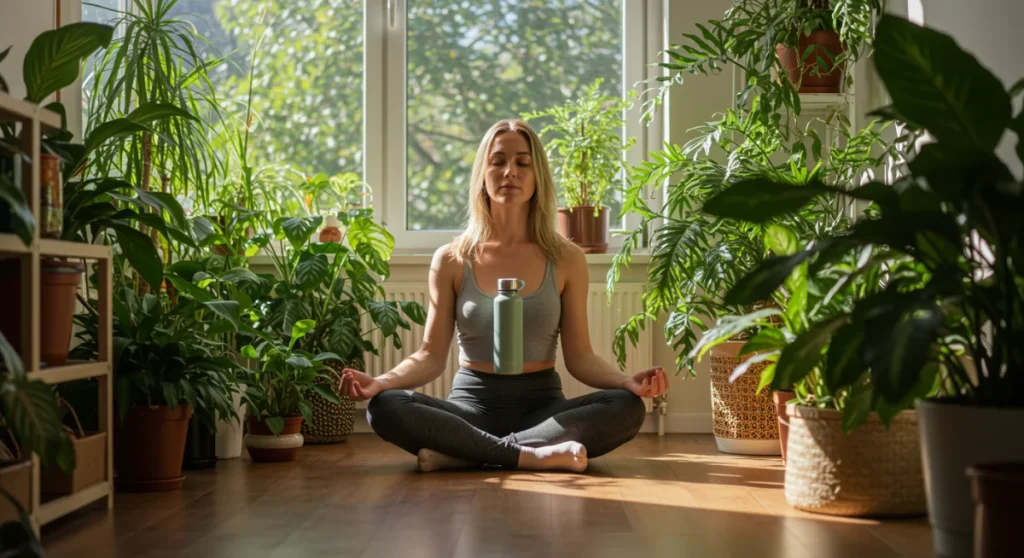
By 2026, sustainable self-care practices are increasingly vital in the US wellness landscape, integrating personal well-being with environmental responsibility through conscious consumption and mindful routines for a holistic approach.
In an era where personal well-being intertwines with global responsibility, the concept of sustainable self-care practices is rapidly gaining prominence. As we approach 2026, Americans are increasingly seeking ways to nurture themselves without compromising the health of the planet. This shift isn’t just a trend; it’s a fundamental re-evaluation of how we define and pursue wellness.
The rise of conscious consumption in wellness
The movement towards conscious consumption within the wellness sphere is not merely a passing fad, but a deeply ingrained cultural shift. Consumers are becoming acutely aware of the environmental and social impact of their choices, extending this scrutiny to their self-care routines. This means a growing demand for products and practices that are not only effective but also ethically sourced, environmentally friendly, and transparent in their production.
This evolving mindset is driving brands to innovate and adapt, prioritizing sustainability at every stage of their value chain. From raw material sourcing to packaging and distribution, every aspect is under review. The modern wellness consumer seeks authenticity and integrity, preferring companies that align with their values of planetary stewardship.
Understanding the impact of your choices
- Ingredient Transparency: Consumers want to know where ingredients come from and how they are harvested.
- Ethical Sourcing: Fair labor practices and community support are becoming non-negotiable.
- Eco-Friendly Packaging: A strong preference for biodegradable, compostable, or refillable options.
The impact of individual choices, when scaled across millions of consumers, creates a powerful demand for change. This collective consciousness is reshaping the wellness industry, pushing it towards a more sustainable and responsible future. It’s about recognizing that personal well-being is inextricably linked to the well-being of the environment.
Ultimately, conscious consumption in wellness signifies a mature understanding that true self-care extends beyond individual benefit to encompass a broader responsibility towards our shared world. This holistic perspective is set to define the wellness landscape for years to come.
Mindful movement and nature connection
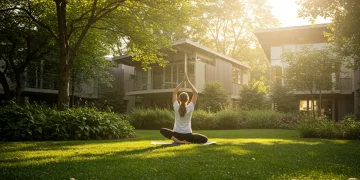
Integrating mindful movement with a deeper connection to nature is becoming a cornerstone of sustainable self-care. This practice moves beyond traditional gym routines, embracing activities that not only strengthen the body but also foster a profound sense of peace and environmental awareness. Think forest bathing, outdoor yoga, and mindful hikes, all designed to reconnect individuals with the natural world.
The benefits extend beyond physical fitness, promoting mental clarity, stress reduction, and an enhanced appreciation for biodiversity. By choosing outdoor activities, individuals often reduce their reliance on energy-intensive indoor facilities and synthetic equipment, aligning their wellness journey with ecological principles.
Embracing the outdoors for well-being
- Forest Bathing (Shinrin-Yoku): Immersing oneself in the atmosphere of the forest for therapeutic benefits.
- Outdoor Yoga: Practicing yoga in natural settings to enhance focus and connection.
- Mindful Hiking: Engaging all senses during walks in nature to promote presence and gratitude.
This approach emphasizes simplicity and accessibility, demonstrating that effective self-care doesn’t require expensive memberships or elaborate gear. Instead, it encourages leveraging the inherent restorative power of nature. Activities like gardening, even in small urban spaces, can also fall under this category, fostering a sense of purpose and connection to the earth.
The growing popularity of mindful movement in nature reflects a desire to escape the confines of modern, technology-driven lives and return to more elemental forms of self-nourishment. It’s a powerful way to promote both personal and planetary health, creating a cycle of mutual benefit.
Sustainable beauty and personal care
The beauty and personal care industry is undergoing a significant transformation, driven by consumer demand for sustainable and eco-friendly alternatives. This shift encompasses everything from product formulations to packaging and brand ethics. Consumers are increasingly scrutinizing labels for certifications, ingredient lists, and supply chain transparency, favoring brands committed to minimizing their environmental footprint.
This includes a move away from harmful chemicals, microplastics, and excessive packaging. Brands are responding by developing refillable systems, waterless products, and formulations based on organic, fair-trade, and locally sourced ingredients. The emphasis is on efficacy combined with ecological responsibility, proving that beauty doesn’t have to come at the planet’s expense.
Key aspects of eco-conscious beauty
- Clean Formulations: Avoiding parabens, sulfates, phthalates, and synthetic fragrances.
- Zero-Waste Packaging: Opting for glass, aluminum, bamboo, or compostable materials.
- Cruelty-Free and Vegan: Ensuring no animal testing and no animal-derived ingredients.

The rise of DIY beauty and the appreciation for natural ingredients are also contributing factors. Many individuals are opting to create their own simple personal care products using ingredients like essential oils, plant-based butters, and natural clays. This not only reduces waste but also provides a deeper connection to the products they use on their bodies.
Ultimately, sustainable beauty is about making informed choices that support both personal health and environmental integrity. It’s a holistic view where the products we use reflect our values and contribute to a healthier planet.
Eco-conscious nutrition and mindful eating
Eco-conscious nutrition extends beyond simply choosing healthy foods; it encompasses the entire lifecycle of our sustenance, from how it’s grown to how it’s consumed. This practice is gaining significant traction as people recognize the profound impact of their dietary choices on both their bodies and the planet. It involves prioritizing plant-based diets, supporting local and seasonal produce, and minimizing food waste.
Mindful eating, a complementary practice, encourages a deeper connection to food, promoting slower consumption, savoring flavors, and listening to the body’s hunger cues. This reduces overeating and fosters a greater appreciation for the resources involved in producing our meals. Together, these approaches create a powerful framework for sustainable well-being.
Pillars of sustainable food choices
- Plant-Based Emphasis: Reducing meat consumption to lower carbon footprint.
- Local and Seasonal: Supporting local economies and reducing transportation emissions.
- Waste Reduction: Composting, meal planning, and creative use of leftovers.
The rise of urban farming, community-supported agriculture (CSAs), and farmers’ markets are direct manifestations of this trend. Consumers are increasingly willing to pay a premium for food that is ethically grown and environmentally responsible. This shift isn’t just about diet; it’s a lifestyle choice that reflects a commitment to a healthier future.
Embracing eco-conscious nutrition and mindful eating allows individuals to nourish themselves in a way that respects ecological boundaries and promotes overall planetary health. It’s a delicious and impactful way to engage in sustainable self-care.
Digital detox and intentional technology use
In an increasingly digitized world, the concept of a digital detox and intentional technology use is emerging as a crucial sustainable self-care practice. This isn’t about abandoning technology entirely, but rather about consciously managing its presence in our lives to foster mental clarity, reduce stress, and reclaim personal time. Excessive screen time and constant connectivity can lead to digital fatigue, anxiety, and a diminished ability to be present.
Intentional technology use involves setting boundaries, creating tech-free zones, and mindfully choosing how and when to engage with digital devices. It’s about using technology as a tool, rather than allowing it to become a master. This practice helps individuals reconnect with themselves, their loved ones, and the physical world around them.
Strategies for a healthier digital life
- Scheduled Screen Breaks: Regularly stepping away from devices throughout the day.
- Tech-Free Zones: Designating certain areas (e.g., bedroom, dining table) as device-free.
- Mindful Notifications: Turning off non-essential alerts to reduce interruptions.
The benefits extend to improved sleep quality, enhanced focus, and a greater sense of calm. By reducing our digital footprint, we also indirectly contribute to energy conservation, as data centers and device manufacturing have environmental impacts. It’s a form of self-care that acknowledges the interconnectedness of our digital habits and our overall well-being.
Ultimately, practicing a digital detox and intentional technology use empowers individuals to regain control over their attention and time, fostering a more balanced and sustainable approach to modern life.
Community and regenerative living
The emphasis on community and regenerative living as a sustainable self-care practice highlights the importance of social connection and contributing positively to local ecosystems. This trend moves beyond individual well-being to embrace a collective approach, recognizing that our health is deeply intertwined with the health of our communities and the environment we share. It involves participating in local initiatives, supporting sustainable businesses, and fostering strong social bonds.
Regenerative living goes a step further, focusing on practices that not only sustain but actively restore and revitalize natural systems. This could include community gardening projects, volunteering for environmental clean-ups, or supporting local circular economies. The self-care aspect comes from the sense of purpose, belonging, and positive impact derived from these activities.
Building a resilient and connected life
- Local Engagement: Participating in community events and local governance.
- Supporting Local: Choosing local businesses, farmers, and artisans.
- Eco-Volunteering: Contributing time to environmental restoration projects.
The isolation often felt in modern society can be a significant barrier to well-being. By actively engaging in community and regenerative practices, individuals combat loneliness, build supportive networks, and experience the profound satisfaction of contributing to something larger than themselves. This fosters a sense of collective responsibility and shared purpose.
Embracing community and regenerative living offers a powerful model for sustainable self-care, demonstrating that true wellness flourishes when individuals and their environments are in harmonious, mutually beneficial relationships. It’s a holistic approach that builds resilience on both personal and communal levels.
| Key Practice | Brief Description |
|---|---|
| Conscious Consumption | Choosing ethical, eco-friendly products for personal and planetary well-being. |
| Mindful Movement & Nature | Engaging in outdoor activities to connect with nature and reduce stress. |
| Sustainable Beauty | Opting for clean, zero-waste, and ethically sourced personal care products. |
| Eco-Conscious Nutrition | Prioritizing plant-based, local, seasonal foods and minimizing food waste. |
Frequently asked questions about sustainable self-care
Sustainable self-care refers to practices that prioritize personal well-being while simultaneously minimizing negative environmental and social impacts. It involves making conscious choices about products, activities, and habits that support both individual health and planetary health, ensuring that current needs are met without compromising future generations.
It’s gaining traction due to increased environmental awareness, a desire for authenticity, and a growing understanding of the interconnectedness between personal health and environmental health. Consumers are seeking more meaningful and responsible ways to nurture themselves, aligning their values with their wellness routines.
Begin by making small, conscious changes. This could involve choosing one eco-friendly beauty product, spending more time in nature, reducing food waste, or scheduling digital detox periods. Gradually incorporate more practices as you become comfortable, focusing on areas that resonate most with your values.
While some sustainable products might have a higher upfront cost, many offer long-term value through durability, refill options, and concentrated formulas. Additionally, practices like mindful movement in nature or digital detox are often free. The investment often reflects higher quality, ethical production, and environmental benefits.
Community is vital as it fosters social connection, a sense of belonging, and collective action towards shared environmental goals. Engaging in local initiatives, supporting sustainable businesses, and connecting with like-minded individuals can enhance personal well-being while contributing to a more resilient and regenerative society.
Conclusion
The journey towards sustainable self-care is more than just a passing trend; it’s a profound shift in how we perceive and practice well-being. As we look towards 2026, the integration of eco-friendly practices into our daily routines is becoming indispensable for a holistic approach to health. From conscious consumption and mindful movement in nature to sustainable beauty, eco-conscious nutrition, and intentional technology use, these practices offer a path to nurture ourselves while simultaneously caring for the planet. Embracing these sustainable self-care practices allows individuals to cultivate a deeper connection with themselves, their communities, and the natural world, paving the way for a healthier, more balanced, and sustainable future for all.