Mindfulness in the Mainstream: 2026 Projections for Corporate Wellness in US

Mindfulness in the Mainstream: 2026 Projections for Corporate Wellness Programs in the US indicates a significant shift towards integrating contemplative practices into workplace culture to enhance employee mental health and organizational resilience.
The landscape of employee well-being is undergoing a profound transformation, with well-documented trends pointing towards more holistic approaches. As we look towards 2026, the integration of Mindfulness in the Mainstream: 2026 Projections for Corporate Wellness Programs in the US is not just a passing fad but a strategic imperative for forward-thinking organizations. This shift reflects a growing recognition that employee mental and emotional health are intrinsically linked to productivity, retention, and overall business success.
The Evolution of Corporate Wellness: From Physical to Holistic
Corporate wellness programs have evolved considerably over the past few decades. Initially, the focus was predominantly on physical health, driven by concerns over healthcare costs and absenteeism. Programs often included gym memberships, smoking cessation, and weight management initiatives. While these aspects remain crucial, a more comprehensive understanding of well-being has emerged, recognizing that mental and emotional states profoundly impact an individual’s capacity to thrive both personally and professionally.
This evolution is not accidental; it is a response to the increasing pressures of modern work life, characterized by constant connectivity, rapid technological change, and an often-demanding pace. The COVID-19 pandemic further accelerated this shift, bringing mental health to the forefront of organizational priorities. Companies began to realize that a truly resilient workforce requires support that extends beyond the physical, encompassing psychological and emotional well-being.
Shifting Priorities in Employee Support
The move towards holistic wellness signifies a more enlightened approach to talent management. Employers are increasingly acknowledging that a stressed or disengaged employee is not only less productive but also more susceptible to burnout and health issues. This recognition has paved the way for practices like mindfulness to gain significant traction within corporate settings.
- Stress Reduction: Mindfulness techniques offer concrete tools for managing workplace stress and anxiety.
- Improved Focus: Regular practice can enhance concentration and cognitive function, leading to better decision-making.
- Emotional Regulation: Employees learn to respond to challenges with greater calm and clarity, rather than reactivity.
- Enhanced Resilience: Building mental fortitude to navigate adversity becomes a key outcome of mindfulness programs.
The transition from purely physical programs to those that embrace mental and emotional health reflects a deeper understanding of human flourishing. It’s about creating an environment where employees feel supported, valued, and equipped to handle the complexities of their roles, ultimately fostering a more engaged and healthier workforce.
Mindfulness: A Strategic Imperative for 2026
By 2026, mindfulness is anticipated to be a cornerstone of corporate wellness programs across the United States. This isn’t merely about offering an optional meditation class; it’s about embedding mindfulness principles into the organizational culture itself. Companies are realizing that investing in their employees’ mental well-being is not just a moral obligation but a strategic business decision that yields tangible returns.
The projections indicate a widespread adoption driven by compelling evidence of mindfulness’s benefits. Research consistently demonstrates that mindfulness practices can reduce stress, improve emotional regulation, enhance focus, and foster greater empathy and compassion among colleagues. These are all critical attributes for a thriving workforce in a competitive and rapidly changing global economy.
Key Drivers of Adoption
Several factors are propelling mindfulness into the mainstream of corporate wellness. The increasing awareness of mental health issues, coupled with a demand from employees for more meaningful and supportive work environments, plays a significant role. Furthermore, the availability of scalable digital mindfulness platforms makes implementation easier for organizations of all sizes.
- Employee Demand: A younger, more health-conscious workforce expects mental well-being support from employers.
- Data-Driven Results: Companies are seeing measurable improvements in employee engagement, retention, and productivity.
- Leadership Buy-in: Senior leaders are increasingly advocating for mindfulness, often having experienced its benefits personally.
- Accessibility of Resources: Digital apps and online programs make mindfulness training more scalable and cost-effective.
The strategic imperative for 2026 lies in recognizing that a mindful workforce is a more innovative, collaborative, and resilient workforce. Organizations that proactively integrate mindfulness will likely gain a competitive edge in attracting and retaining top talent, while also cultivating a more positive and productive workplace culture.
Implementation Challenges and Solutions in Corporate Settings
While the benefits of incorporating mindfulness into corporate wellness are clear, organizations often encounter various challenges during implementation. These can range from skepticism among employees to budget constraints and the difficulty of measuring return on investment. Overcoming these hurdles requires a thoughtful and strategic approach that addresses the unique culture and needs of each workplace.
One common challenge is gaining employee buy-in. Some employees may view mindfulness as a niche or ‘new age’ practice, or simply feel they don’t have the time to dedicate to it amidst their demanding schedules. To counter this, clear communication about the scientific basis of mindfulness and its practical benefits for workplace performance and personal well-being is essential.
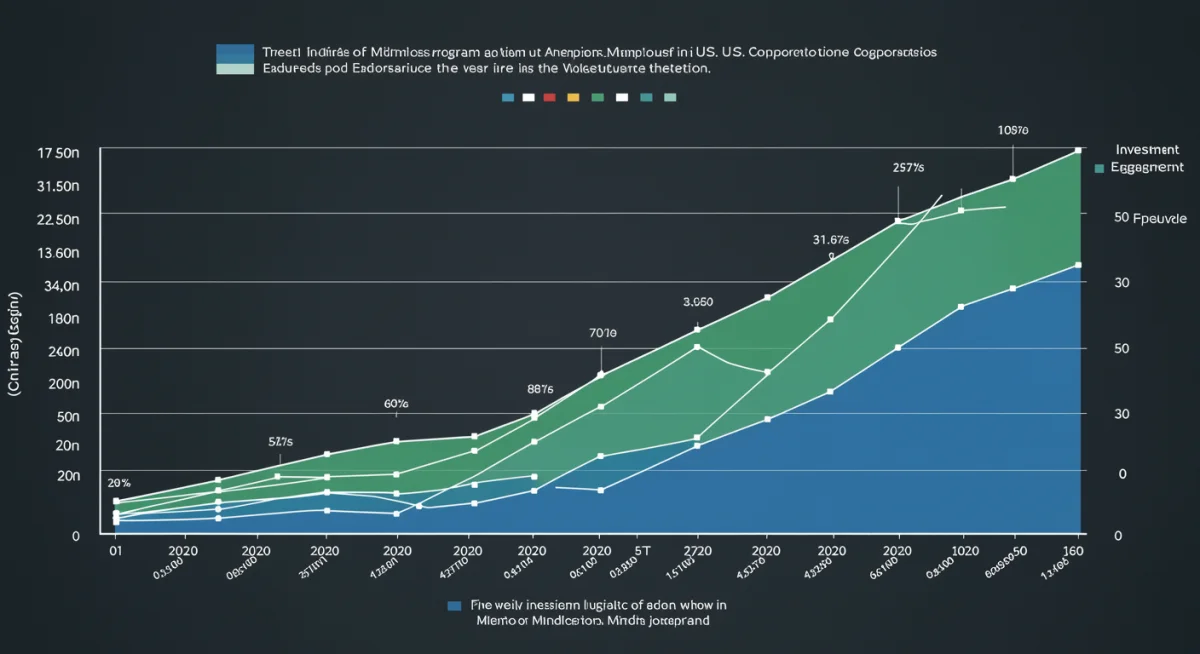
Overcoming Barriers to Adoption
Successful implementation often involves starting small, offering introductory sessions, and showcasing testimonials from internal champions. Integrating mindfulness into existing wellness platforms or offering it as part of leadership development programs can also help normalize its presence. Addressing budget concerns can be done by highlighting the long-term cost savings associated with reduced stress, absenteeism, and improved productivity.
- Skepticism & Misconceptions: Educate employees on the scientific backing and practical applications of mindfulness.
- Time Constraints: Offer short, accessible practices (e.g., 5-minute guided meditations) and integrate them into daily routines.
- Measuring ROI: Utilize surveys, performance metrics, and healthcare data to track the impact of mindfulness programs.
- Lack of Leadership Support: Engage senior management through workshops and demonstrate individual and organizational benefits.
By proactively addressing these challenges with creative solutions and a commitment to fostering a supportive environment, companies can successfully integrate mindfulness, ensuring its long-term viability and positive impact on their workforce.
Technology’s Role in Scaling Mindfulness Programs
Technology is playing an increasingly vital role in making mindfulness accessible and scalable within corporate wellness programs. The proliferation of meditation apps, online courses, and virtual reality platforms has democratized access to mindfulness training, allowing organizations to reach a broad employee base regardless of their location or work schedule. This technological integration is a key factor in the projected mainstreaming of mindfulness by 2026.
Digital platforms offer a personalized and flexible approach to mindfulness practice. Employees can engage with guided meditations, breathing exercises, and educational content at their own pace and convenience, fitting practice into their busy lives. This flexibility is crucial for maximizing participation and ensuring sustained engagement, especially in diverse and geographically dispersed workforces.
Innovations in Digital Mindfulness
Beyond basic apps, innovations like AI-powered mindfulness coaches, biofeedback devices, and gamified meditation experiences are emerging. These technologies can provide real-time feedback, track progress, and offer tailored recommendations, making the practice more engaging and effective. Virtual reality, for instance, can create immersive environments that enhance the meditative experience, offering a unique avenue for stress reduction and focus improvement.
- Meditation Apps: Platforms like Calm and Headspace offer guided sessions and resources for individual practice.
- Online Courses: Structured programs provide deeper learning and skill development in mindfulness.
- Wearable Tech Integration: Devices tracking heart rate variability can provide biofeedback for mindfulness exercises.
- Virtual Reality (VR): Immersive experiences for guided meditation and stress reduction in virtual environments.
The continued advancement of technology will undoubtedly further enhance the reach and effectiveness of corporate mindfulness programs, making it easier for companies to implement and sustain these valuable initiatives, thereby solidifying mindfulness’s place in mainstream wellness.
Measuring Impact: Metrics and ROI of Mindfulness Initiatives
For mindfulness to truly become mainstream in corporate wellness by 2026, organizations need to effectively measure its impact and demonstrate a clear return on investment (ROI). While the qualitative benefits of reduced stress and improved well-being are often evident, quantifying these outcomes is essential for securing continued leadership buy-in and justifying resource allocation. This involves tracking a range of metrics that reflect both individual employee health and broader organizational performance.
Common metrics include employee surveys on perceived stress levels, job satisfaction, and engagement. Companies can also look at objective data such as absenteeism rates, presenteeism (being at work but not productive), healthcare claims related to stress, and employee turnover. A holistic approach to measurement provides a comprehensive picture of how mindfulness programs are contributing to a healthier, more productive workforce.
Key Performance Indicators for Wellness Programs
Beyond individual metrics, organizations are increasingly looking at how mindfulness impacts team dynamics, innovation, and leadership effectiveness. A more mindful workforce can lead to better communication, reduced conflict, and a greater capacity for creative problem-solving. These broader organizational benefits, though sometimes harder to quantify directly, contribute significantly to a positive work culture and competitive advantage.
- Employee Stress Levels: Measured through validated psychological questionnaires and well-being assessments.
- Absenteeism & Presenteeism: Tracking sick days, short-term disability claims, and self-reported productivity.
- Healthcare Costs: Analyzing reductions in stress-related medical expenses and mental health service utilization.
- Employee Retention: Observing improvements in turnover rates among program participants.
- Productivity & Engagement: Monitoring performance metrics and employee engagement survey scores.
By establishing robust measurement frameworks, companies can not only validate the effectiveness of their mindfulness initiatives but also identify areas for improvement, ensuring that these programs remain impactful and relevant in the evolving corporate landscape.
The Future Landscape: Personalized and Integrated Mindfulness
Looking ahead to 2026 and beyond, the future of mindfulness in corporate wellness programs will likely be characterized by personalization and deep integration. Generic, one-size-fits-all approaches will give way to tailored programs that acknowledge the diverse needs and preferences of individual employees. This shift will maximize engagement and ensure that mindfulness practices are truly relevant and beneficial to everyone in the organization.
Personalization could involve AI-driven recommendations for specific meditation practices based on an employee’s stress levels, work patterns, or even their emotional state detected through wearable technology. It also means offering a wider variety of mindfulness techniques, from traditional sitting meditation to mindful movement, walking meditation, and even mindful eating, allowing employees to find practices that resonate most with them.
Seamless Integration into Daily Work Life
Beyond personalization, the ultimate goal is to seamlessly integrate mindfulness into the daily fabric of corporate life. This means moving beyond standalone programs to embedding mindful breaks, mindful communication practices, and mindful leadership principles into everyday operations. Imagine meetings starting with a brief moment of mindfulness or team leaders trained to foster a mindful approach to problem-solving.
- AI-Driven Personalization: Tailoring mindfulness content and recommendations based on individual employee data.
- Diverse Modalities: Offering a wide spectrum of practices, from guided meditation to mindful movement and breathwork.
- Embedded Practices: Integrating short mindfulness exercises into daily meetings, project kick-offs, and breaks.
- Mindful Leadership Training: Equipping managers with skills to cultivate mindful team environments.
The future landscape of corporate wellness will see mindfulness not as an add-on, but as an intrinsic component of a healthy, high-performing organizational culture, evolving to meet the complex demands of the modern workforce with greater sophistication and impact.
| Key Aspect | 2026 Projection & Impact |
|---|---|
| Holistic Wellness Focus | Shift from physical-only to comprehensive mental and emotional well-being support. |
| Mainstreaming of Mindfulness | Mindfulness becomes a core component, not an optional add-on, in US corporate wellness. |
| Technology Integration | Digital platforms, AI, and VR scale mindfulness, offering personalized and flexible access. |
| Personalized & Integrated | Wellness programs will be tailored to individual needs and seamlessly embedded into daily work life. |
Frequently Asked Questions About Corporate Mindfulness
Corporate mindfulness involves integrating mindfulness practices, like meditation and present-moment awareness, into the workplace. It’s gaining traction due to proven benefits such as reduced employee stress, improved focus, and enhanced emotional regulation, leading to higher productivity and better overall well-being.
By 2026, technology will significantly scale mindfulness programs through apps, online platforms, and potentially VR. These tools offer personalized experiences, track progress, and make mindfulness accessible to a wider employee base, facilitating consistent practice and engagement regardless of location.
Companies implementing mindfulness programs can expect reduced absenteeism, lower healthcare costs, increased employee engagement and retention, and improved overall productivity. It also fosters a more positive and resilient workplace culture, contributing to better decision-making and innovation.
Yes, challenges include employee skepticism, time constraints, and demonstrating a clear ROI. Overcoming these requires clear communication about scientific benefits, offering flexible program options, and utilizing data to show tangible improvements in employee well-being and organizational performance.
Long-term success relies on leadership buy-in, continuous employee education, personalization of programs, and seamless integration into daily work routines. Regular evaluation of program effectiveness and adapting to employee feedback are also crucial for sustained impact and relevance.
Conclusion
The trajectory for Mindfulness in the Mainstream: 2026 Projections for Corporate Wellness Programs in the US is clear: it is transitioning from a niche offering to an indispensable component of organizational health strategies. The evolution reflects a deeper understanding of employee needs, driven by scientific evidence and technological advancements. As companies increasingly recognize the intrinsic link between mental well-being and business success, mindfulness will continue to be integrated, personalized, and scaled, fostering more resilient, engaged, and productive workforces across the nation.